Key Horse Selection Criteria: How to Choose Your Wheel Bet Anchor
 Available in US
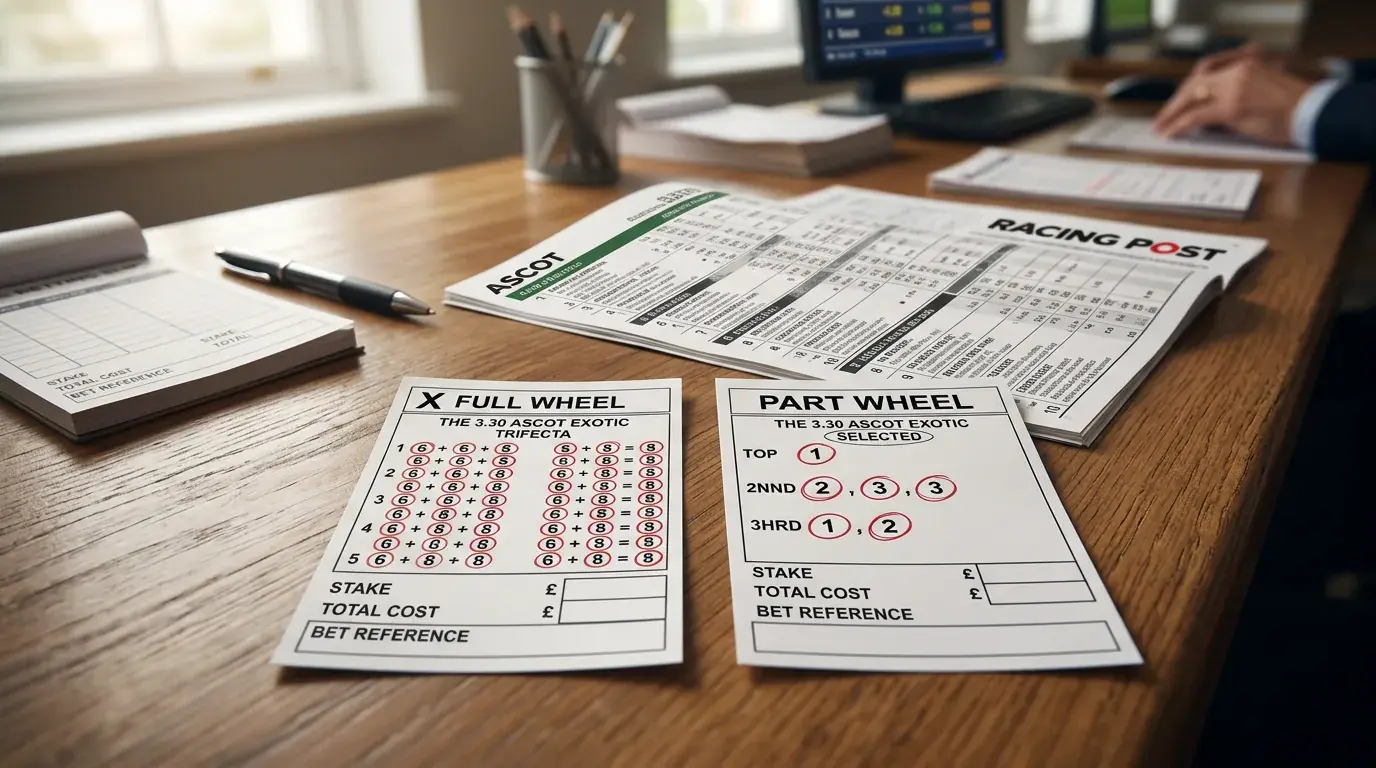
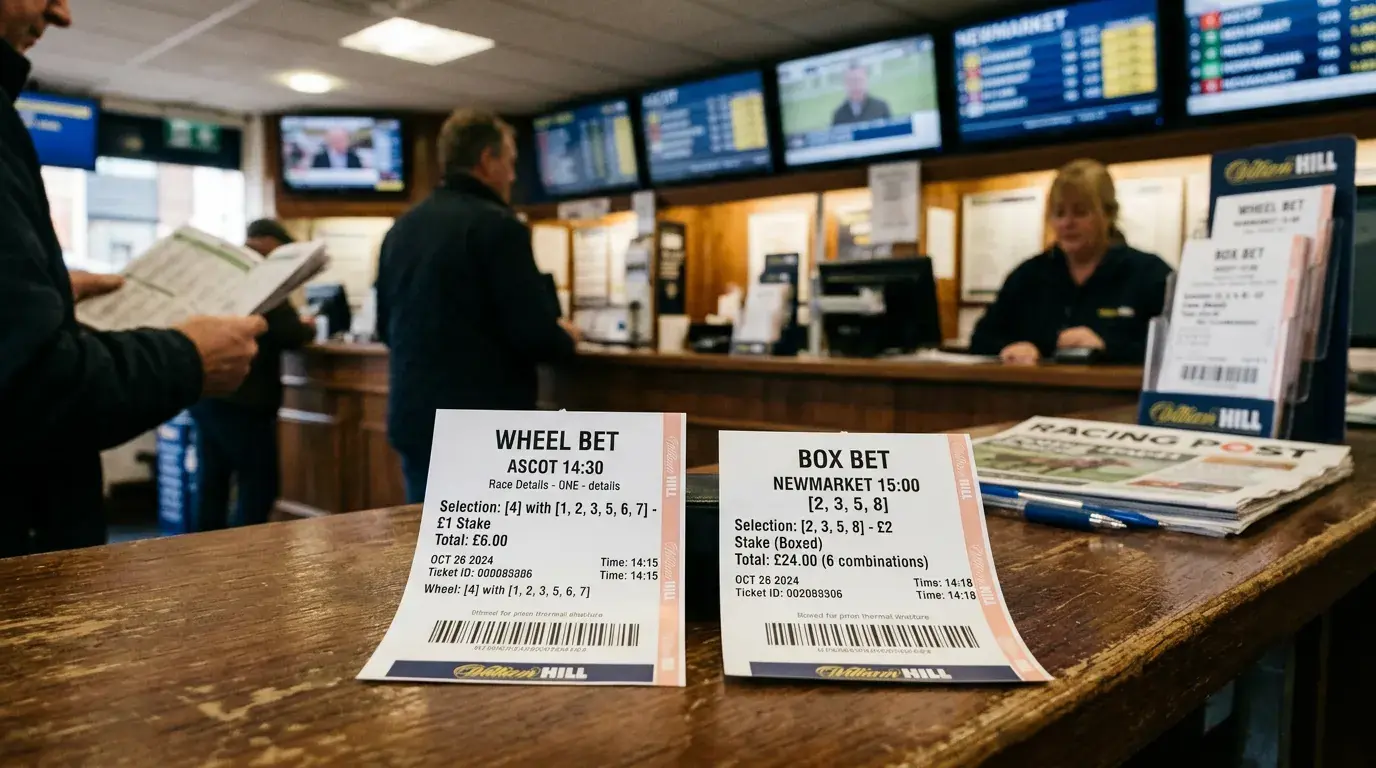
My worst wheel bet decision came from ignoring what now seems blindingly obvious. I keyed a horse off a single impressive victory, piled into a full trifecta wheel, and watched it finish seventh. The winner was a mare who had run second three times at the course and distance, facts I had dismissed as irrelevant. That £70 lesson taught me more about key horse selection than any book or tutorial ever could.
The anchor horse in any wheel bet carries the entire structure. Get it wrong and no amount of clever secondary construction matters. Get it right and even a minimal part wheel can produce substantial returns. Given that favourites win roughly 30% to 35% of UK races, your key horse selection essentially determines whether you operate in that successful minority or contribute to the pool for everyone else. The challenge lies in identifying genuine win candidates rather than simply backing market leaders.
What follows represents my selection framework, developed through years of Tote operations experience and refined through personal betting. These criteria do not guarantee success, but they dramatically reduce the likelihood of anchoring wheels to fundamentally flawed selections.
Table of Contents
Form Analysis
Recent form tells you what a horse is doing right now. Historical form tells you what it is capable of doing. The intersection of these two perspectives identifies genuine key horse candidates. I weight recent runs more heavily, but I never ignore demonstrated ability from previous campaigns.
The most reliable key horses show consistency rather than brilliance. A horse that has finished in the first three in four of its last five starts offers better wheel anchor potential than one with a single victory followed by moderate efforts. Consistency suggests the horse is operating near its current ability level. Sporadic brilliance suggests unpredictable form that might resurface or might not. For wheel bets where your selection must perform on a specific day, I prefer the horse I can reasonably expect to run its race.
Odds-on favourites on flat turf win approximately 59% of their races. That figure drops considerably for longer-priced market leaders. When evaluating form, I look for horses whose recent performances justify their position in the betting market. A favourite backed on reputation alone, trading at short prices despite moderate recent efforts, makes a poor key horse regardless of what the market suggests. The 59% strike rate applies to horses whose form supports their odds, not to every horse that happens to lead the market.
Class levels matter enormously. A horse dropping from Group company to a Listed race brings demonstrated quality. A horse rising from handicap company into Pattern races faces an unknown test. My strongest wheel bets typically feature horses maintaining their class level or dropping slightly, where their existing form offers direct relevance to the current task. Class climbers occasionally win, but they introduce uncertainty that undermines key horse confidence.
One often-overlooked aspect of form analysis involves the quality of opposition faced. A horse that has been competing against subsequent winners demonstrates it has been racing in hot company. Frankel was the obvious example at the extreme end, but the principle applies throughout the class structure. When a potential key horse repeatedly finishes behind animals that go on to win their next starts, that horse is operating in strong form. The official rating might not yet reflect it, but the pattern tells you something the numbers have not caught up with.
Going and Distance Factors
British weather makes going prediction an imprecise science, yet going preference might be the single most overlooked factor in key horse selection. I have watched countless punters key horses with no evidence of handling the prevailing conditions, then express surprise when they struggle. The racecourse going report exists for a reason.
Some horses genuinely act on any ground. Most have preferences. A horse with six wins on good-to-firm and nothing better than fourth on soft ground should not anchor your wheel when the course is riding soft. This seems obvious written down, yet the betting public repeatedly backs horses against their demonstrated preferences. The form book records every run with its associated going description. The information is freely available. Using it separates analytical bettors from hopeful ones.
Distance requirements are equally critical. A horse stretching from a mile to a mile-and-a-quarter faces a genuine question about stamina. Its form at the shorter trip may be excellent, but you are now asking something different. Similarly, a confirmed stayer dropping to sprint distances might lack the tactical speed to compete. The optimal key horse has demonstrated ability at today’s distance, or very close to it, removing doubt about whether the trip suits.
Course form adds another layer. Certain horses handle specific tracks better than others. The configuration of Epsom differs dramatically from Ascot. Chester’s tight turns trouble some gallopers. Cheltenham’s hill finds out the weak finishers. A horse with winning form at today’s venue has already answered questions about track suitability. When I find a selection with strong recent form, proven going preference, appropriate distance credentials, and winning course form, that horse becomes a serious key horse candidate. Missing any of these elements introduces risk that wheel bet mathematics cannot overcome.
Trainer-Jockey Statistics
The human element in racing deserves more attention than most exotic bettors give it. Trainer patterns reveal intentionality. Jockey bookings signal confidence. Together they provide context that pure form analysis misses.
Trainers develop reputations for targeting specific race types. Some excel with two-year-olds early in the season. Others specialise in staying handicaps. A few dominate particular festivals year after year. When a trainer with a strong record in a race type sends a logical contender, the combination of stable expertise and suitable horse creates key horse potential. The trainer knows the game. The horse fits the assignment. That alignment matters.
Jockey bookings often communicate more than connections would prefer. A champion jockey choosing your potential key horse over several alternatives from the same stable suggests internal confidence. That rider has information you lack, access to morning gallops and conversations with stable staff. When top riders make definitive choices, I pay attention. Conversely, a stable jockey abandoning the horse for an outside mount raises legitimate questions about the selection.
The statistics themselves provide objective grounding. Trainer strike rates at specific venues, jockey performance on particular course configurations, and combination records between trainer and rider all offer measurable data. A trainer operating at 25% strike rate at a course deserves more respect than one running at 8%. These numbers exist in readily accessible databases. Incorporating them into key horse selection improves your anchor accuracy over time, feeding directly into the broader wheel bet strategy that depends on getting this foundational choice right.
Should I always key the favourite?
No. Favourites win 30% to 35% of UK races, meaning they lose more often than they win. Key horse selection should focus on your own analysis rather than market position. A well-supported favourite with form that justifies its price makes a reasonable key horse. A favourite backed on name value alone, without recent supporting form, often disappoints.
What form indicators matter most for key horse selection?
Consistency outweighs isolated brilliance. Look for horses finishing in the first three positions across multiple recent runs rather than single impressive victories followed by moderate efforts. Add going preference, distance suitability, and course form to identify genuine key horse candidates with multiple supporting factors.
Prepared by the Horse Racing Wheel bet editorial staff.