Affordability Checks and UK Betting: Impact on Exotic Wagering
 Available in US
The email arrived without warning. My account had been flagged for enhanced due diligence. To continue betting at previous levels, I needed to provide bank statements, payslips, or other financial documentation proving I could afford my activity. The request felt intrusive, but refusing meant stake restrictions that would make serious exotic betting impossible. This experience, now common among regular bettors, represents the most significant change to UK betting in decades.
Affordability checks emerged from the Gambling Commission’s player protection mandate. The principle seems reasonable: ensure people do not bet beyond their means. The implementation has proven controversial, creating friction that drives some bettors to unregulated alternatives while frustrating those who remain in the licensed market. For exotic bettors, understanding how these checks work and what triggers them helps navigate a system that increasingly affects how we can wager.
Table of Contents
Policy Overview
The regulatory framework requires licensed operators to assess customer affordability when betting patterns suggest potential harm. The Gambling Commission has not mandated specific thresholds, leaving operators to develop their own policies within broad guidance. This creates inconsistency across the market, with different bookmakers applying different triggers and different documentation requirements.
Dan Lewis, formerly Chief Strategy Officer at a major operator, described the cumulative impact: sweeping changes over the last five years have made a huge difference to the industry, including affordability measures, credit card bans, and VIP limits. He called for proper evaluation of these policies. That evaluation has not occurred, yet the restrictions continue expanding.
Typical triggers include net losses exceeding certain thresholds over defined periods, deposit velocity suggesting chasing behaviour, or total stakes reaching levels that raise affordability questions. The exact figures vary by operator and remain largely unpublished, creating uncertainty about what activity might prompt review. Bettors discover they have triggered checks only when contact arrives requesting documentation.
The documentation process itself varies. Some operators accept self-declaration of income and employment. Others require payslips, bank statements, tax returns, or proof of savings. The intrusion level depends on stake levels and operator policy. Higher-volume bettors face more extensive requirements that some find unacceptable regardless of their actual financial position.
Bettor Impact
Simon French, who runs an owner services company, identified the core concern: affordability is the biggest issue, but the real worry is not that restrictions drive people away but how to get them back once they leave. That observation captures the permanent damage affordability checks inflict on customer relationships.
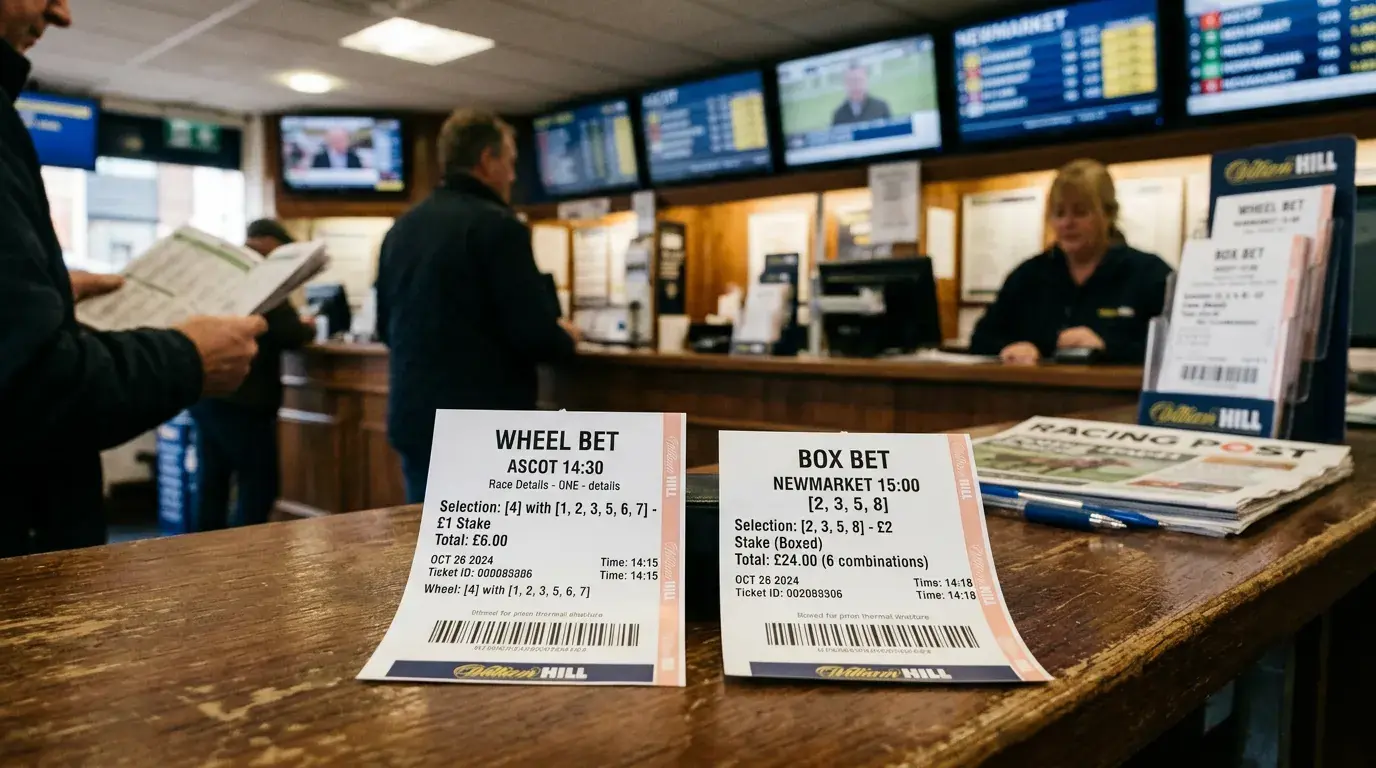
Exotic bettors face particular challenges because wheel bet structures inherently involve larger total stakes than straight bets. A £50 trifecta wheel covering 24 combinations might trigger thresholds that a £50 win single would not approach. The bet type creates exposure to affordability scrutiny regardless of the bettor’s actual financial situation or betting sophistication.
Account restrictions following affordability concerns take various forms. Stake limits reduce maximum bet sizes, sometimes to levels that make exotic betting impractical. Account closures remove access entirely, forcing bettors to establish relationships with new operators where they lack history. Promotional exclusions remove access to enhanced odds and bonuses that improve overall value.
The restrictions often persist even after documentation proves affordability. Once flagged, accounts may face ongoing monitoring and repeated documentation requests. Some bettors report providing extensive financial proof only to receive further restrictions regardless. The system creates ongoing friction rather than one-time verification.
Workarounds exist but carry risks. Spreading activity across multiple operators keeps individual account volumes below thresholds but creates administrative complexity. Reducing stake sizes maintains access but limits potential returns. Moving to unregulated operators eliminates affordability friction but sacrifices consumer protections entirely.
Industry Concerns
Racing and betting industry voices have criticised affordability implementation with increasing volume. Nevin Truesdale, former CEO of The Jockey Club, stated the concern directly: the Gambling Commission seems to want to reduce gambling to just small-stakes gamblers, and that cannot be right. His comment reflects widespread industry frustration with policies that appear designed to shrink the market rather than protect vulnerable individuals.
The connection between affordability checks and black market growth concerns industry leaders. Bettors who cannot or will not submit to documentation requirements do not stop betting. They migrate to unregulated operators who impose no such friction. The player protection goal that justified affordability checks produces the opposite outcome when it drives bettors to environments with zero protection.
Racing specifically suffers because the Levy system depends on regulated betting turnover. Every bettor who leaves the licensed market due to affordability frustration is a bettor whose activity no longer contributes to prize money and industry funding. The checks designed to protect individuals may harm the sport that provides those individuals with their betting interest.
Reform proposals circulate but face uncertain prospects. Some suggest standardised thresholds that would provide clarity about what triggers review. Others recommend limiting checks to demonstrated harm indicators rather than arbitrary stake levels. The Gambling Commission has shown limited appetite for relaxation, leaving the industry to manage within existing constraints.
For exotic bettors, practical adaptation matters more than policy debates. The black market risks analysis explains why unregulated alternatives create problems beyond affordability friction. Working within the licensed system, understanding typical thresholds, and managing activity to avoid unnecessary triggers represents the sustainable path even when that path frustrates.
Document your financial position proactively if you bet at serious levels. Having payslips, bank statements, and income evidence readily available speeds the verification process when requests arrive. Cooperation produces better outcomes than resistance, even when the requirements feel intrusive. The alternative is stake restrictions that make exotic betting impractical or migration to unregulated markets with their own substantial risks.
Consider also whether your exotic betting volume genuinely aligns with your financial position. The checks exist because some bettors do wager beyond their means, causing genuine harm to themselves and families. Honest self-assessment about whether your activity is sustainable serves your interests regardless of what operators require. Responsible exotic betting means betting what you can afford to lose, not what regulations allow.
The affordability landscape will continue evolving as regulators, operators, and industry bodies negotiate competing priorities. Stay informed about policy changes that might affect your betting access. Adapt your approach as requirements change rather than fighting a system you cannot control. The exotic betting opportunities remain substantial for those willing to work within whatever framework the regulated market requires.
How do affordability checks affect exotic betting?
Exotic bet structures involve larger total stakes than straight bets, making them more likely to trigger affordability thresholds. A £50 wheel covering multiple combinations may prompt review that a £50 win single would avoid. Bettors may face documentation requests, stake limits, or account restrictions that make serious exotic betting difficult at licensed operators.
Can affordability checks trigger account restrictions?
Yes. Accounts flagged for affordability concerns may face stake limits, promotional exclusions, enhanced monitoring, or closure. Restrictions sometimes persist even after documentation proves financial capacity. The system creates ongoing friction for affected bettors rather than one-time verification.
Written by the editors at Horse Racing Wheel bet.