Levy Board Racing Funding: How Betting Supports UK Horse Racing
 Available in US
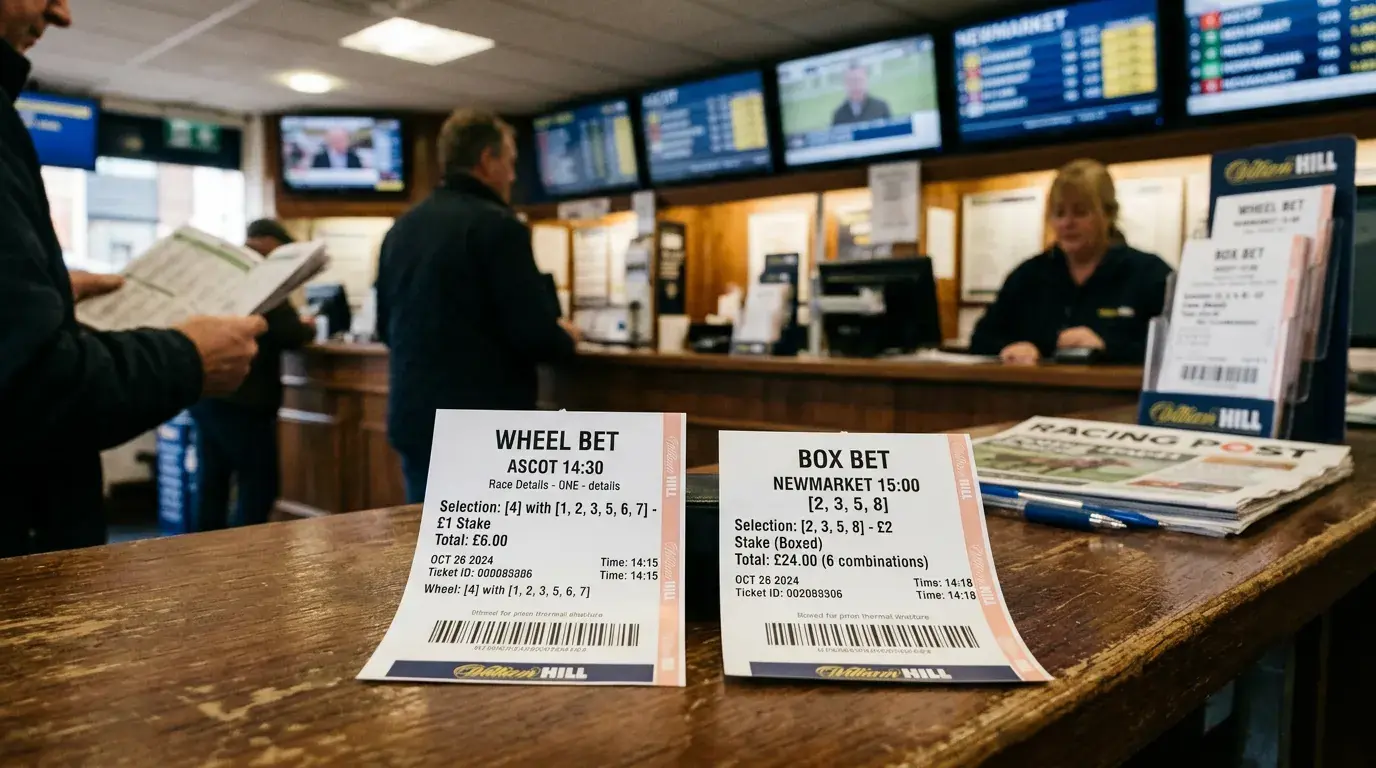
Every exotic bet you place contributes to something larger than your potential payout. A portion of your stake, whether you win or lose, flows through the betting operator to the Horserace Betting Levy Board, then out to racecourses, prize funds, and industry development. This connection between betting activity and racing prosperity has existed for decades, creating a symbiotic relationship that funds the sport we wager on. Understanding that relationship adds context to every wheel bet you construct.
The Levy system represents British racing’s primary funding mechanism from betting activity. Without it, prize money would collapse, racecourses would deteriorate, and the racing product that generates betting interest would decline. The system works well when betting turnover grows. It strains when turnover contracts. Current market conditions have tested the Levy’s adequacy while record collection figures suggest the framework remains functional despite challenging circumstances.
Table of Contents
Levy Mechanics
The Horserace Betting Levy Board collects contributions from licensed betting operators based on their gross profits from British racing. The current rate stands at 10% of gross profits derived from UK horserace betting. Operators calculate their liability and remit payments to the HBLB, which then distributes funds according to established priorities.
Levy collection reached a record £108.9 million in the 2024-25 financial year, the highest figure since the 2017 Levy reform that extended collection to offshore operators serving UK customers. This record came despite declining betting turnover, reflecting the reform’s success in capturing revenue that previously escaped the system and the concentration of remaining activity with operators generating higher margins.
The collection mechanism underwent significant reform in 2017. Previously, the Levy applied only to operators with UK betting shop presence, allowing offshore-only bookmakers to avoid contribution entirely. The reform extended liability to all operators serving UK customers regardless of where they were licensed. This change captured substantial revenue that had evaded the system and levelled competition between onshore and offshore operators.
Anne Lambert, Interim Chair of the Levy Board, noted that a yield of around £108 million provides additional reassurance for spending decisions, with increases for 2026 having already been agreed. The record collection enabled continued investment despite market headwinds that might otherwise have forced cuts.
Prize Fund Allocation
Levy funds flow primarily to prize money, the most visible benefit to racing participants. Total prize money for British racing reached a record £194.7 million in 2025, representing 3.5% growth year-on-year. The Levy contribution forms a substantial portion of this total, supplemented by racecourse contributions, sponsor support, and owner entry fees.
Prize money distribution follows patterns that affect different racing sectors differently. Flat racing receives significant allocation given its betting volume and economic importance. Jump racing receives dedicated support that sustains the National Hunt programme through winter months when betting interest peaks around Christmas and the spring festivals. All-weather racing receives funding that enables year-round activity filling gaps in the turf calendar.
Beyond prize money, Levy funds support racecourse infrastructure, veterinary science, breeding initiatives, and industry training programmes. These investments maintain the facilities where racing occurs, advance equine welfare, and develop the workforce that keeps British racing operational. The breadth of Levy application means your betting activity supports racing across multiple dimensions beyond the obvious prize fund contribution.
The allocation process involves negotiation between the Levy Board, racing authorities, and betting industry representatives. Competing priorities create tension. Racecourses want infrastructure investment. Owners want higher prize money. The betting industry wants attractive racing products that generate wagering interest. Balancing these demands within finite Levy receipts requires ongoing compromise.
Future Outlook
The Levy’s future depends on betting market trends that currently point in concerning directions. Total turnover on UK racing has fallen 10.3% since 2023. If that decline continues, Levy collection will eventually follow regardless of margin improvements. The record 2024-25 figure may represent a peak rather than a baseline.
Black market growth threatens Levy sustainability directly. Unlicensed operators pay no Levy on activity that would otherwise contribute. With black market share approaching 9% and growing, substantial potential Levy revenue escapes the system entirely. Addressing black market competition becomes a Levy protection issue beyond its other policy dimensions.
Industry advocates argue for Levy rate increases to offset turnover declines. Betting operators resist, noting margin pressures and competitive challenges. The Government ultimately determines the Levy rate framework, creating a political dimension to what might otherwise be a commercial negotiation. Recent governments have shown limited appetite for intervention, leaving the current structure intact despite changed market conditions.
The wheel bet strategy guide operates within this broader context. Every exotic bet contributes to the system that funds the racing we analyse and wager on. That contribution matters whether you think about it or not. Understanding the connection adds appreciation for how your betting activity supports an ecosystem extending far beyond your individual results.
For exotic bettors, the practical implication is straightforward: betting through licensed operators supports UK racing. Betting through unlicensed operators does not. When affordability friction or stake restrictions tempt migration to unregulated alternatives, the Levy contribution represents one factor in that decision. The sport benefits from your regulated betting regardless of whether individual bets win or lose.
Monitor Levy developments as part of broader industry awareness. Changes to collection rates, allocation priorities, or the regulatory framework that sustains the system affect the racing product you bet on. An informed bettor understands not just selection and construction but the environment in which their activity occurs. The Levy sits at the centre of that environment for British racing.
The connection between your betting and racing’s health is not abstract. Prize money levels affect the quality of horses trained in Britain. Racecourse investment affects the facilities where you watch racing. Veterinary research affects the welfare of the animals you follow. Industry training affects the people who work across the sport. All of it traces back partly to Levy funds that your betting activity helps generate.
Think of Levy contribution as a feature rather than a cost. Unlike taxes that disappear into general government revenue, the Levy returns visibly to the activity that generated it. Your exotic bets fund the prize money that attracts quality horses to the races you analyse. That virtuous circle sustains British racing in ways that alternative betting destinations cannot match.
How much Levy do bookmakers contribute annually?
Licensed bookmakers contributed a record £108.9 million to the Horserace Betting Levy Board in 2024-25. The Levy rate is 10% of gross profits from UK horserace betting. This record collection came despite declining turnover, reflecting the 2017 reform that extended collection to offshore operators serving UK customers.
How does Levy fund prize money?
Levy funds flow primarily to prize money, contributing substantially to the record £194.7 million distributed in 2025. The HBLB allocates funds across flat, jump, and all-weather racing while also supporting racecourse infrastructure, veterinary science, breeding, and training programmes. Your betting activity directly supports this funding regardless of individual bet outcomes.
Prepared by the Horse Racing Wheel bet editorial staff.