Bookmaker Shop Decline: Changing Access to Exotic Bets
 Available in US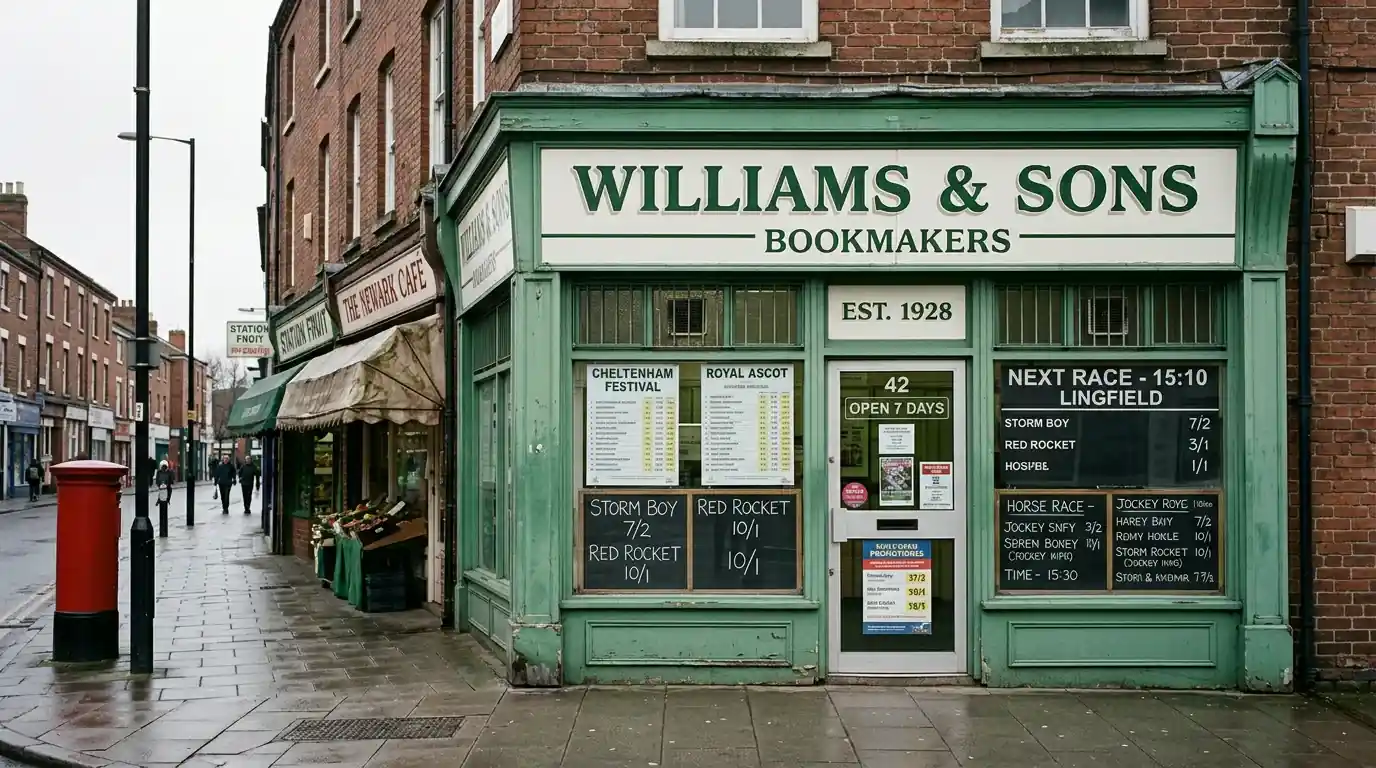
The betting shop on my high street closed last year. It had operated for thirty years, a fixture where regulars gathered to watch racing, study the tissue, and place their bets with staff who knew their names. Now it sells mobile phones. That story repeats across Britain as the retail betting landscape contracts toward a future where physical shops may become irrelevant to how most people bet on racing.
The decline matters beyond nostalgia. Betting shops provided community spaces where racing knowledge transferred between generations. They offered anonymous cash betting that online platforms cannot replicate. They contributed to high street vitality in ways their closure damages. For exotic bettors, the shop contraction changes how and where certain types of betting activity occur.
Table of Contents
Decline Statistics
Licensed betting shops in Britain now number 5,825, a decline of 22.8% from pre-pandemic levels. The contraction accelerated during Covid closures and continued as shops that reopened found customer habits had permanently changed. The trajectory suggests further decline as lease renewals arrive for shops operating marginally.
Total betting turnover fell 4.3% in 2025 and has declined 10.3% since 2023. This market-wide contraction falls disproportionately on retail betting where foot traffic determines viability. Online operators can reduce costs when turnover declines. Shops face fixed costs regardless of customer volume. The mathematics favour closures when turnover falls below thresholds that cover rent, staff, and regulatory compliance.
John Gosden, the prominent trainer, described the industry crisis: we are at a crisis point anyhow without having the added burden of regulatory pressures. His comment referenced multiple challenges facing racing, but the betting shop decline forms part of that crisis. Traditional betting infrastructure that supported racing for generations disappears with each closure.
Regional variation exists within the national decline. Urban areas with high rents and multiple competing shops saw the sharpest contractions. Suburban and rural areas where a single shop served entire communities often retained their betting presence longer. The remaining shops increasingly represent these locations rather than the urban clusters that once characterised high street betting.
Exotic Betting Implications
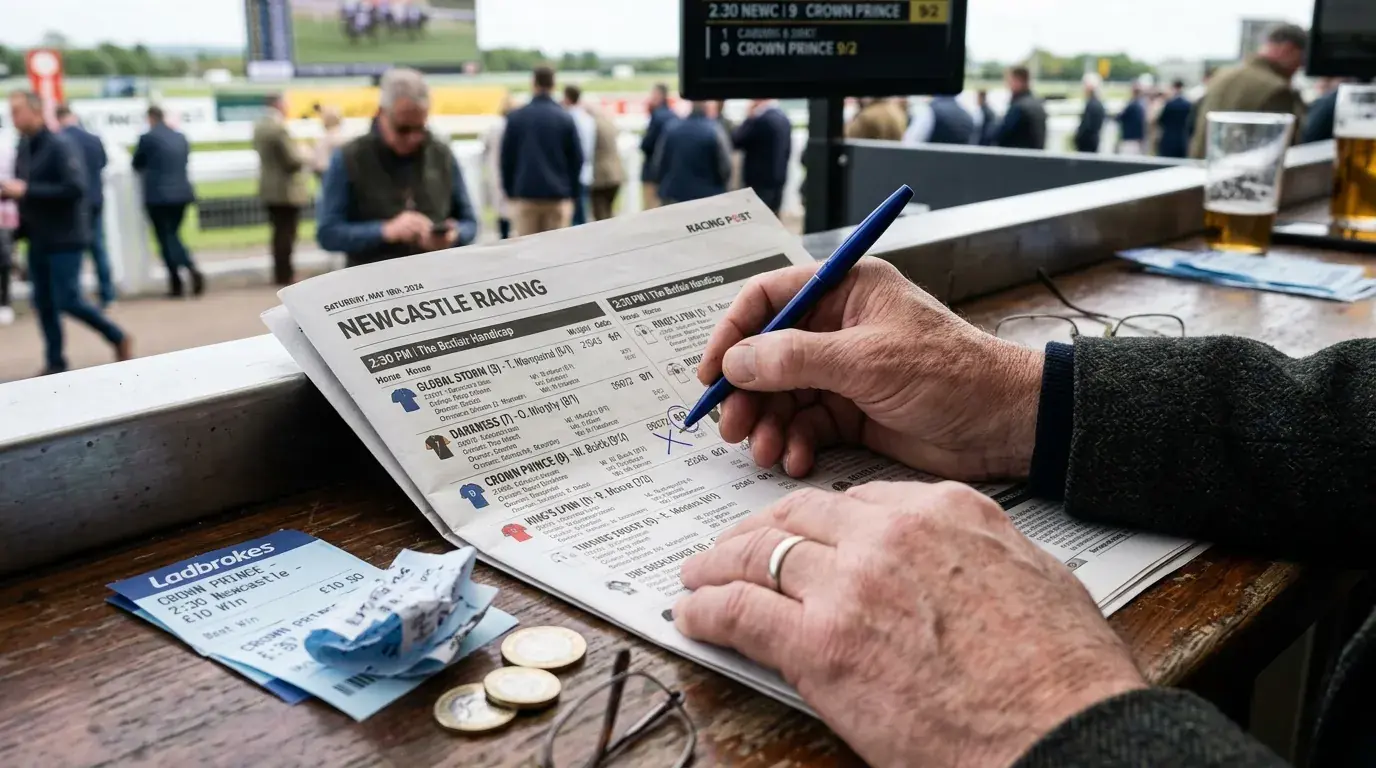
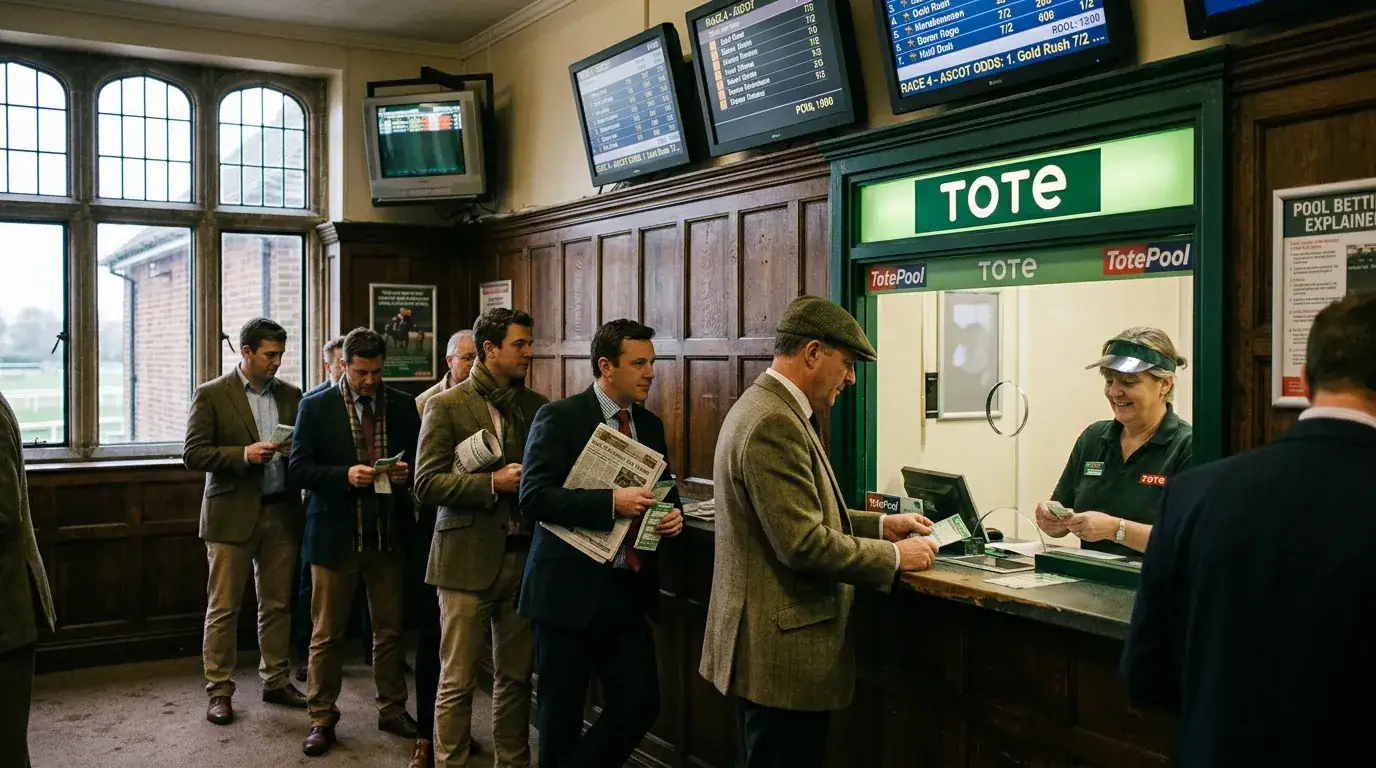
Betting shops historically offered exotic betting through Tote terminals and bookmaker products. The shop environment provided assistance for bettors unfamiliar with exotic bet construction. Staff could explain trifecta structures, calculate combination costs, and help customers navigate complexity that online interfaces cannot guide so effectively.
That educational function disappears with shop closures. New exotic bettors increasingly must learn through online resources and trial and error rather than personal interaction. The barrier to exotic betting entry rises for those who benefit from human explanation. The learning curve steepens when no one is available to answer questions in real time.
Cash betting anonymity represents another loss. Betting shops accepted cash without linking transactions to personal accounts. Online betting requires registration, identity verification, and financial tracking that some bettors prefer to avoid. The privacy that cash provided exists only in remaining shops and oncourse environments. Those who valued that privacy must adapt to traced digital betting or reduce activity.
Exotic pools may suffer as retail betting contracts. Shop bettors who contributed to Tote pools without appearing in online statistics disappear from those pools when their shops close. If they migrate online, they may continue contributing. If they stop betting entirely, pool sizes decline accordingly. The net effect on pool liquidity depends on customer behaviour following closures.
Fixed-odds exotic products face similar uncertainty. Bookmaker tricasts and forecasts offered through shops generated revenue that justified product availability. If shop closure reduces demand for these products, bookmakers may reduce availability or widen margins on remaining offerings. The fixed-odds exotic landscape could contract alongside the retail network that supported it.
Adaptation Strategies
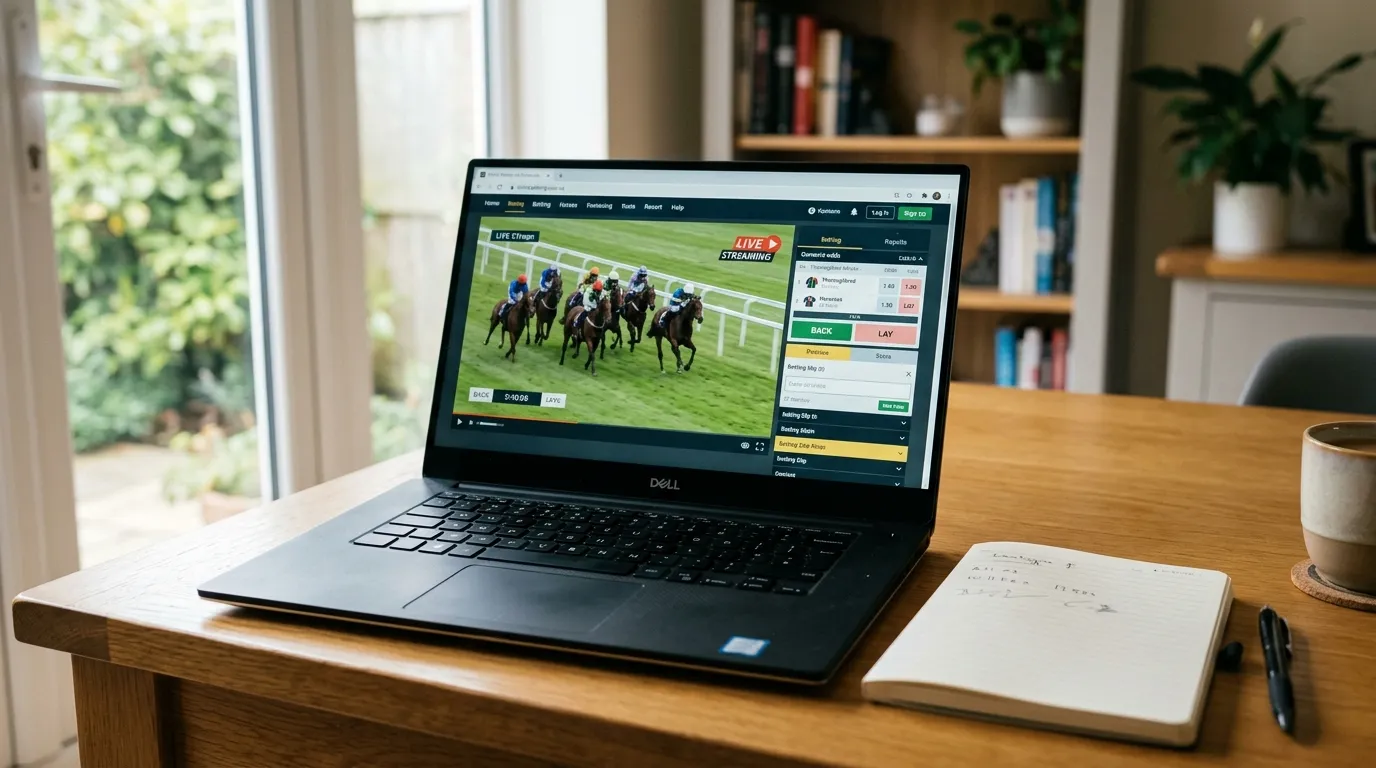
Exotic bettors must adapt to a landscape where shop access cannot be assumed. This means developing comfort with online platforms if you have not already and understanding the differences between retail and digital exotic betting.
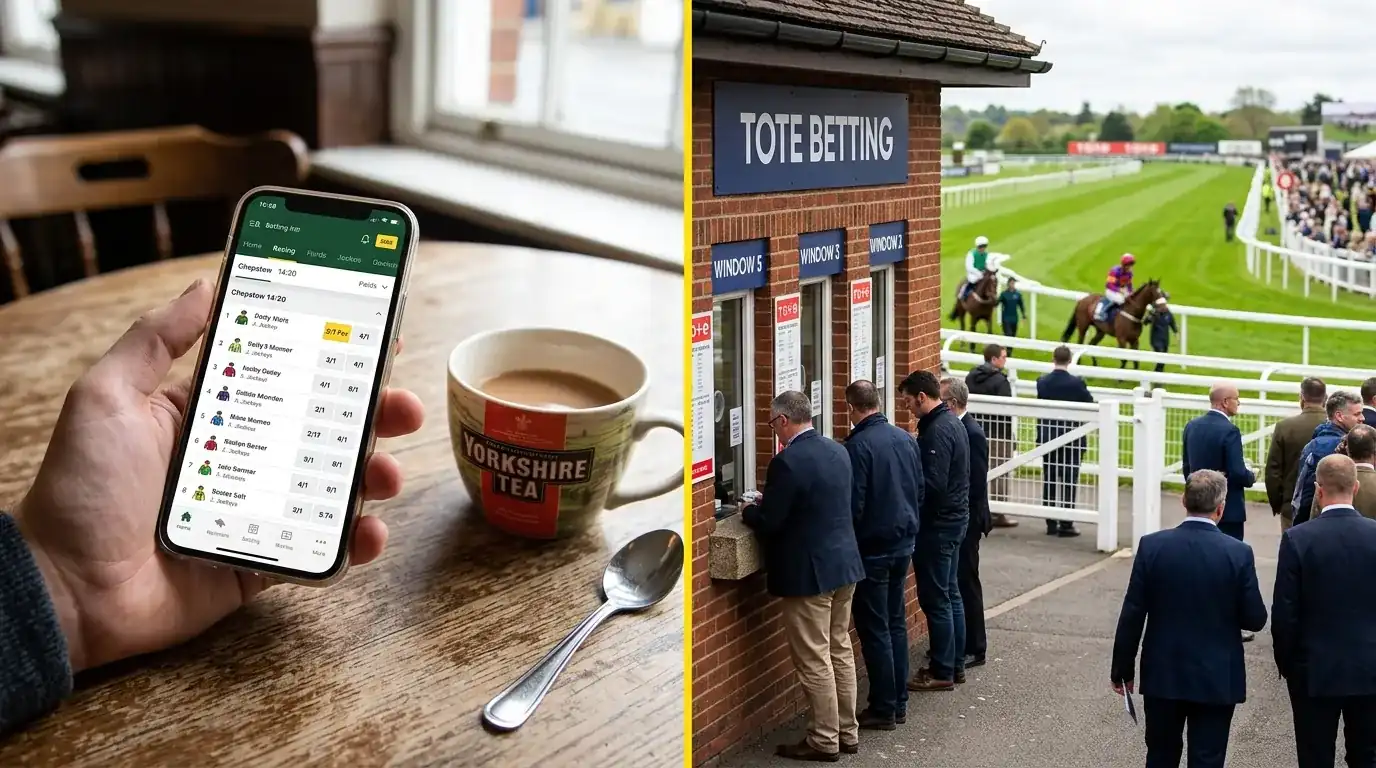
Online Tote betting through the official platform or bookmaker integrations provides access to pool betting without shop presence. The functionality replicates what shops offered, though the interface differs. Learning to navigate these platforms efficiently prevents the shop decline from eliminating your exotic betting options.
Oncourse betting remains available at UK racecourses for those willing to attend meetings. The Tote operates on-track facilities where pool betting occurs in person. This option combines betting access with the racing experience but requires geographical and scheduling flexibility that online betting does not demand.
The wheel bet strategy guide addresses exotic betting through whatever channel you use. The principles remain constant regardless of whether you place bets in a shop, online, or at the racecourse. Adaptation involves channel choice rather than strategic overhaul.
Community functions that shops provided may migrate to online forums and social media groups. The knowledge transfer between experienced and novice bettors can occur digitally even if the physical gathering space disappears. Seek out these communities if you valued the social dimension of shop betting and wish to maintain that connection.
Remain aware that further shop closures are likely. The trends driving decline have not reversed. Planning your exotic betting around online and oncourse channels rather than retail availability positions you for a future where shops may be scarce or absent entirely. Nostalgia for the shop experience need not prevent practical adaptation to the landscape that actually exists.
The social isolation of online betting represents a genuine loss that technology cannot fully address. Watching racing alone differs from watching with others who share your interest. Celebrating a winning exotic with fellow bettors who understand the achievement differs from a notification on a screen. These experiential differences matter even if the betting functionality remains equivalent.
Consider attending race meetings more frequently if you miss the communal aspect of betting. Racecourses provide the social environment that shops offered, combined with the racing experience that screens cannot replicate. The commitment of time and travel exceeds what shop visits required, but the experiential rewards may justify the additional effort for those who valued what the retail environment provided.
The betting shop decline reflects broader changes in how people engage with racing and gambling. Understanding these changes helps position your exotic betting activity within realistic expectations about what channels will remain available and what experiences will require adaptation. The core activity persists even as the infrastructure surrounding it transforms.
How many betting shops remain in the UK?
Licensed betting shops in Britain number 5,825, representing a 22.8% decline from pre-pandemic levels. The contraction accelerated during Covid closures and continues as customer habits have permanently shifted toward online betting. Further closures are expected as leases expire for marginally viable shops.
Can I place exotic bets online instead of in shops?
Yes. Online Tote betting through the official platform or bookmaker integrations provides full access to exotic pools including exactas, trifectas, and Placepots. Fixed-odds forecasts and tricasts are available through bookmaker websites and apps. The functionality replicates shop offerings though interfaces differ.
Written by the editors at Horse Racing Wheel bet.