Placepot Strategy: How to Approach the UK’s Most Popular Pool Bet
 Available in US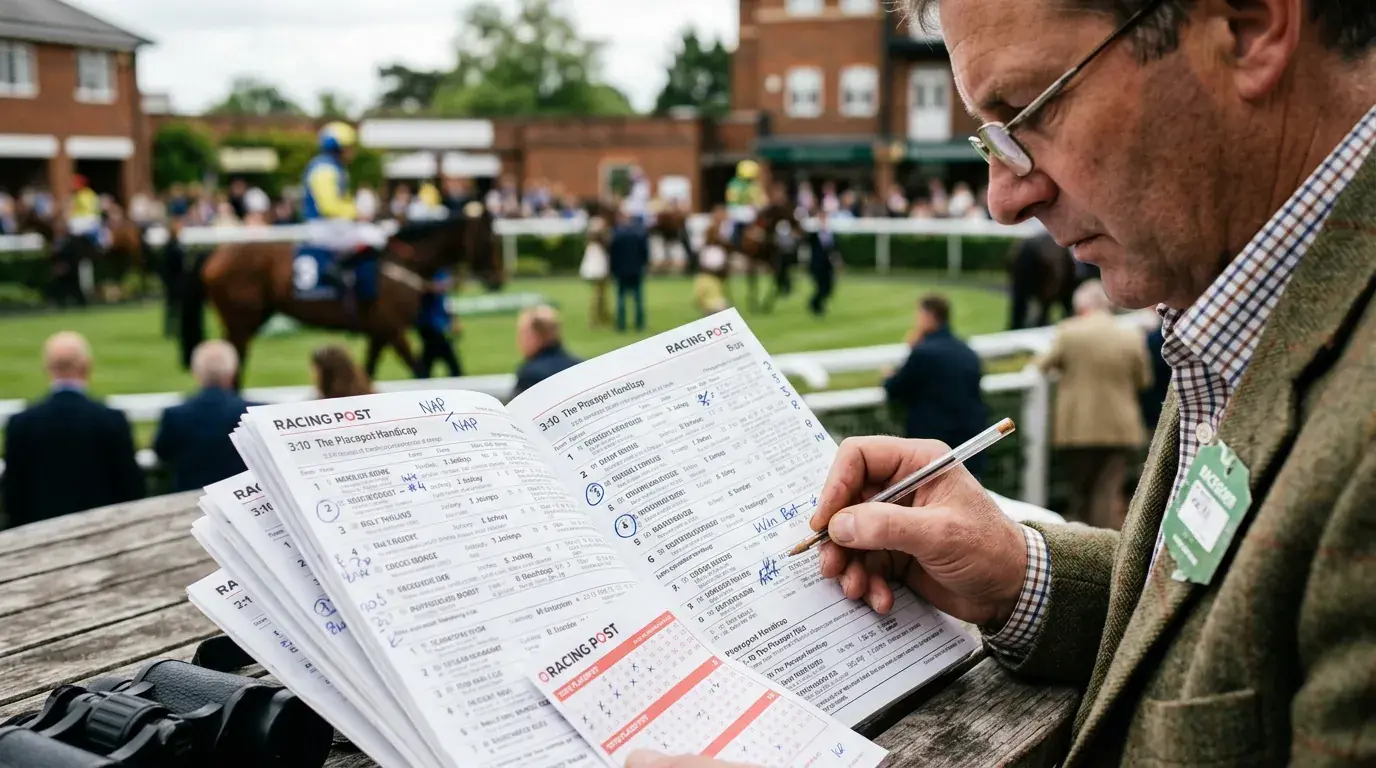
My first Placepot win came from stubbornness rather than skill. I had used one selection per leg across the first five races at Newmarket, banking everything on heavy favourites. When the sixth race approached with my perm still alive, I watched a 12/1 shot storm home and paid out £340 from a £2 stake. Pure luck, but it hooked me on the bet type. The years since have taught me that sustainable Placepot success requires rather more method than I employed that afternoon.
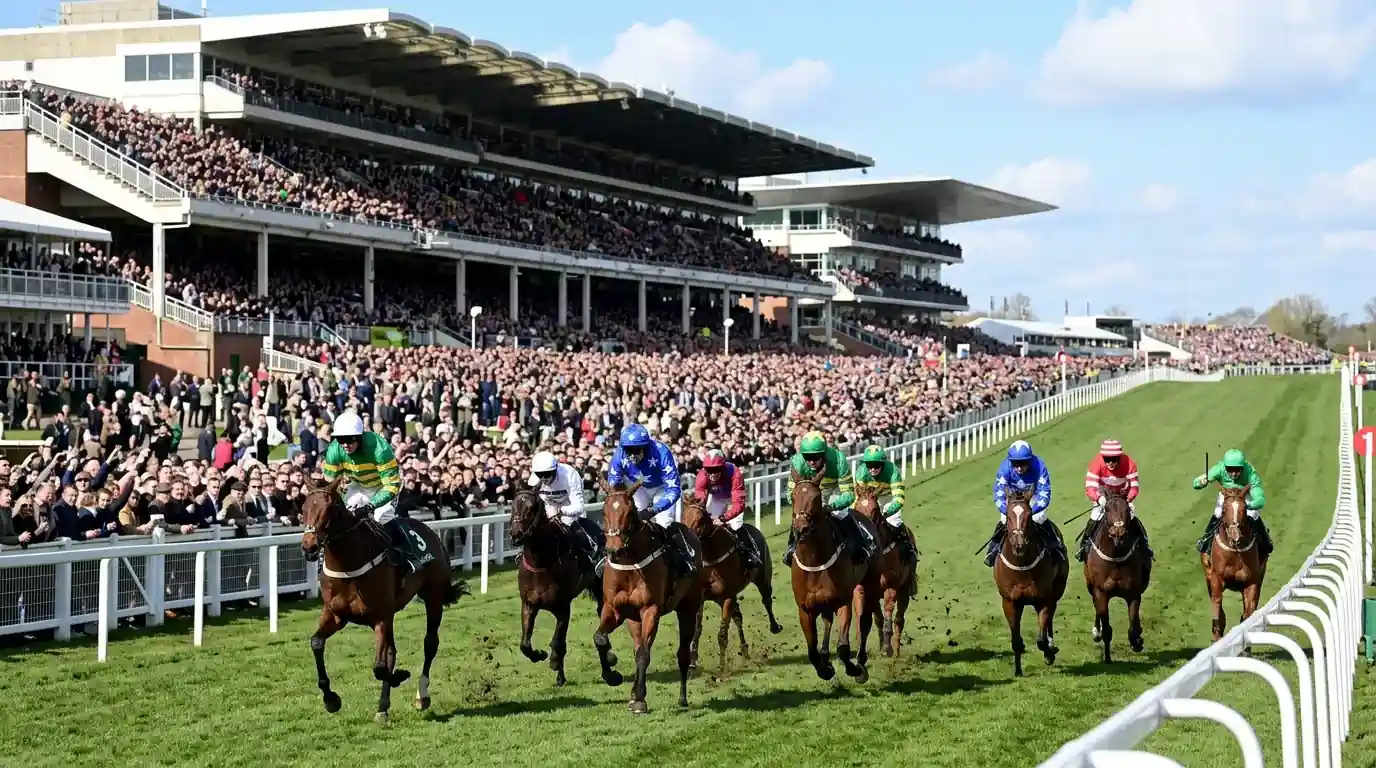
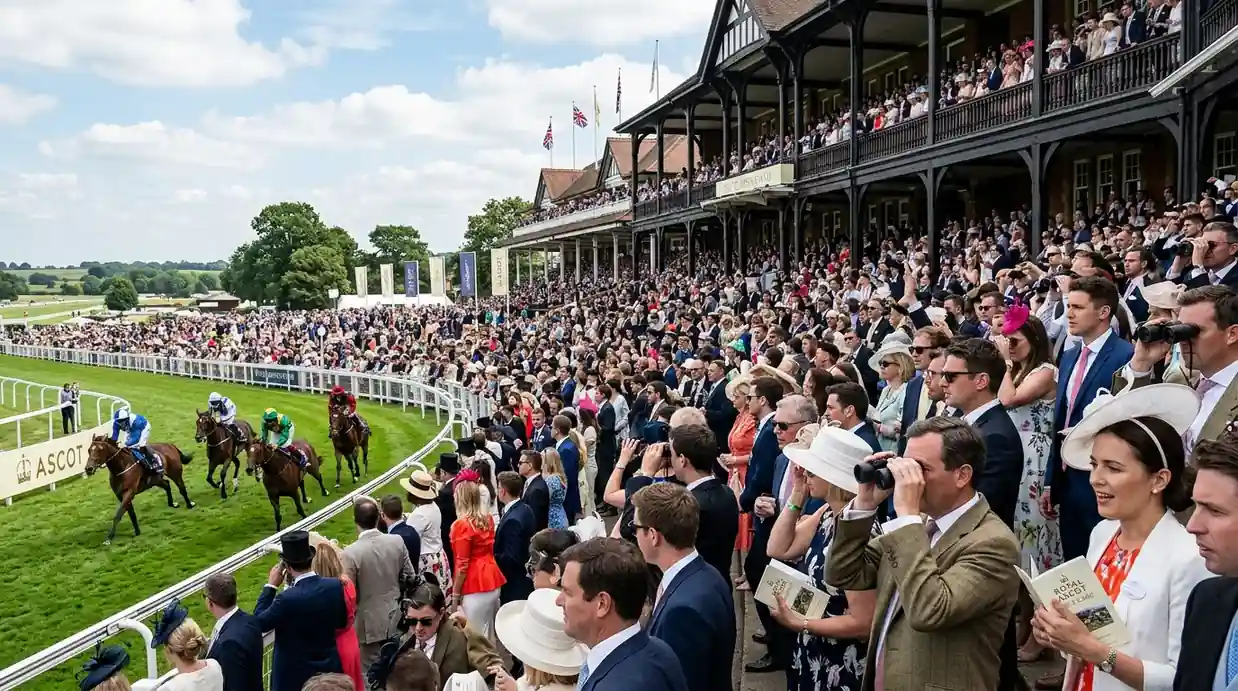
The Placepot stands as the UK’s most popular pool bet by some margin. Every meeting with six or more races offers one. Turnover regularly exceeds six figures at major fixtures. The bet’s structure creates communal drama as punters track their perms through each leg, celebrating or commiserating as races conclude. That engagement explains its popularity, but popularity alone does not make it profitable. Understanding the mechanics and developing coherent strategy does.
Placepot Mechanics
The Placepot requires you to select a horse to place in each of the first six races at a meeting. Place terms follow standard rules: first two in fields of five to seven runners, first three in fields of eight or more, first four in handicaps of sixteen or more. Successfully navigating all six legs earns a share of the pool.
The Tote deducts 27% commission from the Placepot pool, higher than the 25% on exacta and trifecta. That additional takeout reflects the bet’s popularity and the operational overhead of managing complex perms across six races. Average dividends run between £400 and £500 on a £1 unit stake when the pool divides normally, though exceptional results occur regularly.
Perm construction allows multiple selections per leg at increased cost. One selection in each leg costs the base unit stake. Two selections in one leg doubles the cost. Three selections triples it. The mathematics compound across legs. Using two selections in three legs and three selections in one leg with singles elsewhere creates 24 lines at whatever your unit stake is. Managing this cost escalation while maintaining coverage requires discipline.
Pool size affects dividend levels substantially. Major festivals attract massive Placepot turnover, sometimes exceeding £1 million at Cheltenham. The record payout of £182,567 from a £2 stake came from the 2019 Cheltenham Festival, demonstrating the upside when difficult results combine with huge pools. Everyday meetings produce smaller pools and typically smaller dividends, though the reduced competition sometimes generates surprisingly generous returns from modest perms.
Banker Selection
The key strategic decision involves identifying banker legs. A banker means using a single selection in a leg, conserving perm lines for races where you lack strong opinion. Get the banker wrong and your entire Placepot dies on that leg. Get it right and you have preserved resources for more uncertain races.
Strong banker candidates come from legs where one horse stands clearly above the opposition. Favourites place in UK racing more often than they win, given the extended place terms. A favourite with 30% to 35% win probability might have 60% or higher place probability in a competitive field. That makes short-priced horses reasonable banker material even though you would not wheel them confidently for win-only bets.
Small fields favour bankers because fewer things can go wrong. A five-runner race where places pay first two gives your selection a 40% baseline just from random chance. Add genuine form analysis and a confident banker might hit 70% or better. These races warrant single selections almost regardless of who you pick, simply because the mathematics favour success.
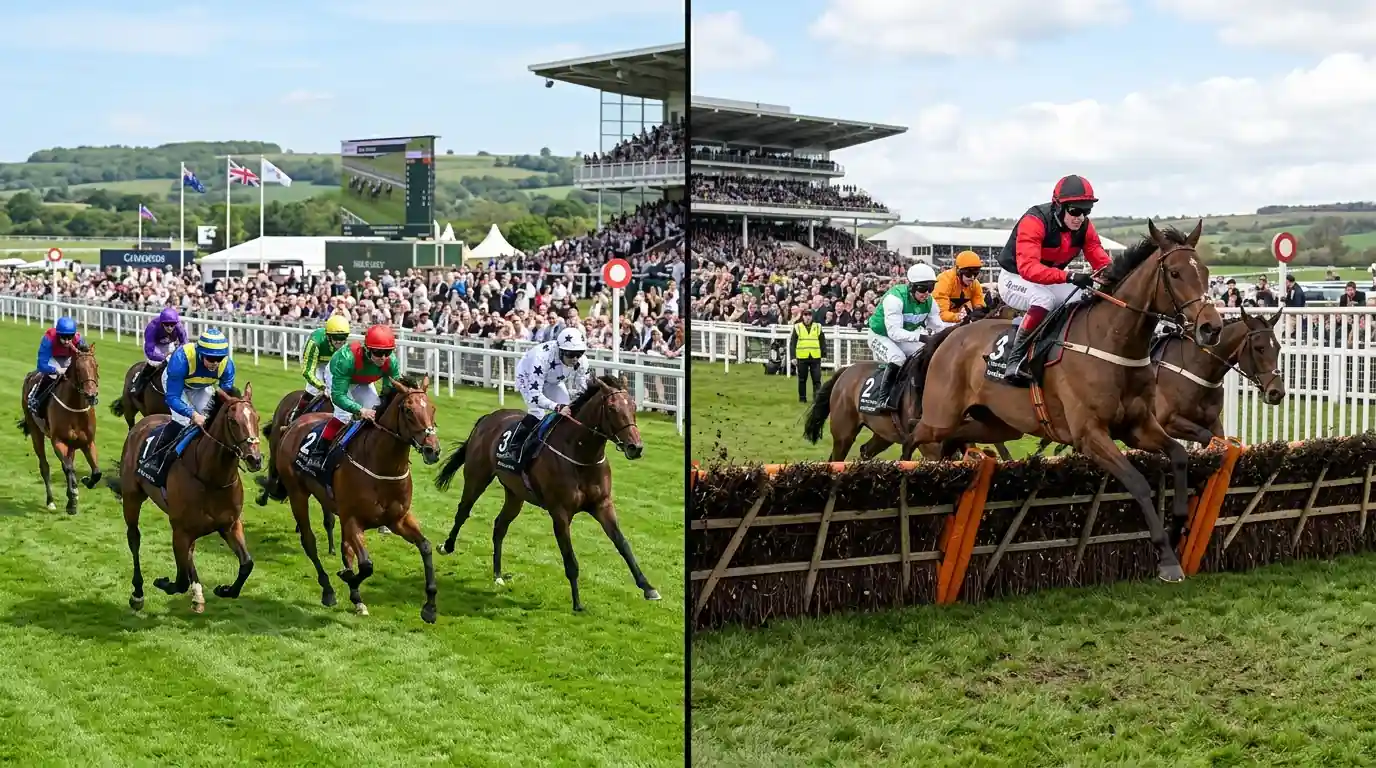
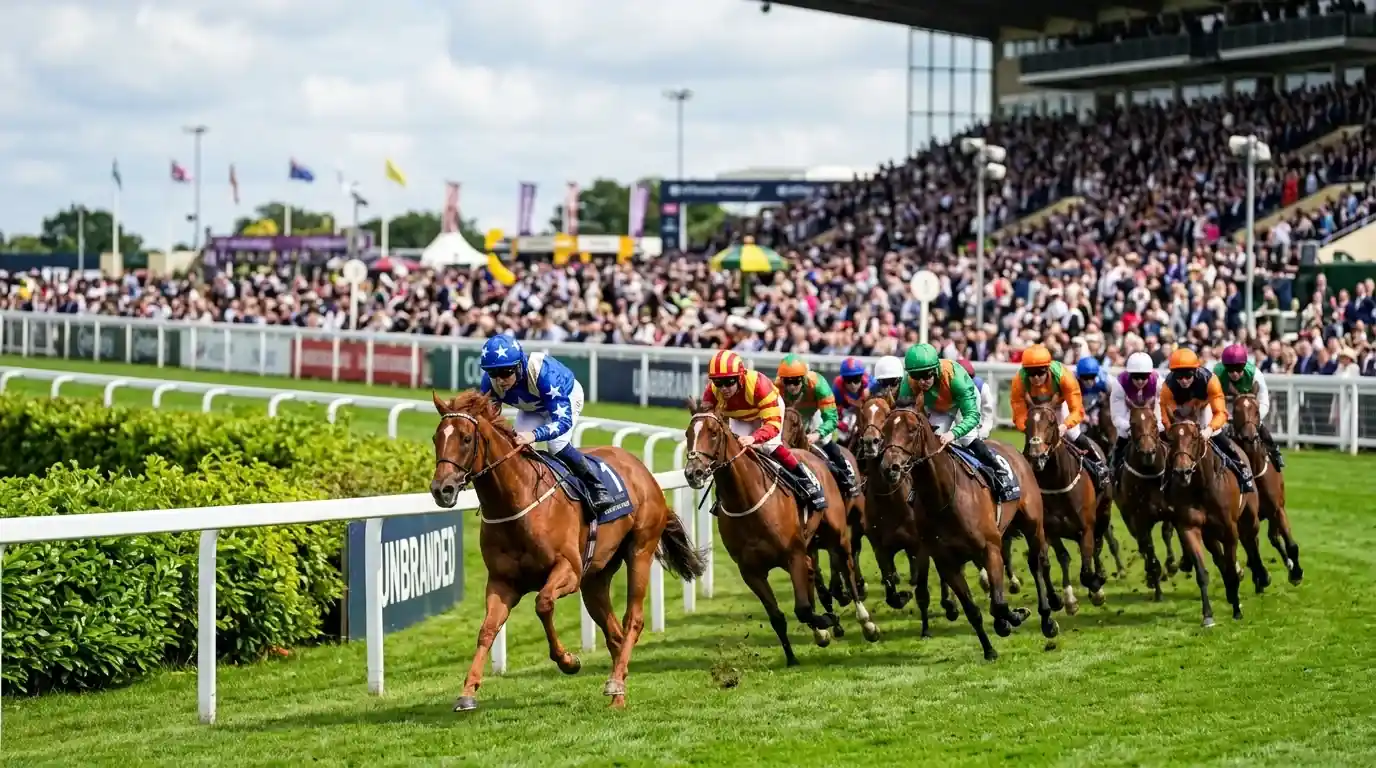
Large competitive handicaps represent banker danger zones. The equalising effect of handicapping makes every horse a realistic place contender. Using a single selection in a 20-runner handicap essentially gambles your entire Placepot on one horse beating most of the field for a place. The maths rarely justify that concentration of risk. These legs demand multiple selections unless you identify overwhelming reasons to expect a specific outcome.
My standard approach uses no more than two bankers per Placepot, preferring to spread coverage across uncertain legs. Even strong fancied horses find ways to miss the places occasionally. Two bankers means two chances for a single horse to end your perm. Three or four bankers stacks too much risk for my comfort, though individual circumstances sometimes justify deviation.
Record Dividends and What They Teach
Exceptional Placepot dividends emerge when multiple difficult results combine. The 2019 Cheltenham record required selecting placed horses in six races during the Festival’s most competitive meeting. The unlikelihood of that combination, multiplied by the huge pool, produced the £182,567 payout that still attracts new Placepot bettors years later.
These headline dividends create useful strategic lessons. First, they require difficult results. The Cheltenham record included several unexpected place finishers. Heavy favourite dominance would have split the pool among thousands of winning tickets. Difficult results concentrate winnings among fewer survivors. Second, they require meaningful stakes. The winner had placed £2 per line across their perm. Many punters use smaller stakes that would produce proportionally smaller wins.
Chasing record dividends represents poor strategy despite their appeal. The circumstances that produce six-figure returns occur rarely and unpredictably. Building perms specifically to capture longshots across multiple legs creates expensive tickets with minimal hit rates. The sustainable approach focuses on steady accumulation through sensible perm construction rather than lottery-style speculation.
Dividend size correlates inversely with favourite success. When favourites place throughout the card, many perms survive and the pool divides widely. Returns might be £20 or £30 from a £1 stake. When outsiders displace favourites from place positions, fewer perms survive and dividends balloon. You cannot control which scenario unfolds. You can construct perms that survive either outcome at reasonable cost.
The wheel bet fundamentals guide covers additional exotic strategies that complement Placepot activity. Coordinating your approach across bet types improves overall results by concentrating capital where your analysis offers genuine edge rather than spreading randomly across every available pool.
Consider the Placepot as one component of an exotic betting portfolio rather than an isolated bet. The skills developed for wheel bet construction, including key horse identification, field size assessment, and cost management, apply directly to Placepot strategy. The banker selection process mirrors key horse selection. The coverage decisions echo part wheel construction. Building competence in one area supports improvement in the others.
Finally, remember that Placepot success requires surviving six consecutive legs. No amount of clever strategy compensates for consistently backing horses that fail to place. Form analysis remains the foundation. All the tactical refinements around perm construction and banker selection rest on your ability to identify horses likely to finish in the first few places. Sharpen that fundamental skill and the rest follows naturally.
What is the Placepot pool deduction percentage?
The Tote deducts 27% from Placepot pools, higher than the 25% taken from exacta and trifecta pools. This increased takeout reflects operational costs and the bet’s popularity. Despite the higher deduction, Placepot remains attractive due to its accumulator structure and potential for substantial dividends from modest stakes.
How many selections should I use per leg?
Use single selections (bankers) only in legs where you have strong confidence, typically small fields or races with clear class superiority. Spread coverage with two or three selections in competitive handicaps and uncertain races. Most successful perms use 12 to 24 lines, balancing cost against coverage probability.
Created by the ”Horse Racing Wheel bet” editorial team.