UK Racing Terminology Glossary: British vs American Betting Terms
 Available in US
The American visitor at Newmarket could not understand why his trifecta request produced blank stares. He wanted to bet the first three finishers in order. Simple enough. Except in Britain that bet is called a tricast, and the pool operates through the Tote rather than fixed-odds bookmakers. The confusion cost him twenty minutes of explaining when simply knowing the right word would have completed the transaction in seconds. Terminology differences between British and American racing create genuine obstacles for bettors crossing between markets.
The language gap extends beyond simple word substitutions. Some concepts exist in one market but not the other. Some identical words mean different things. Navigating UK exotic betting requires learning not just what to call things but understanding how British racing structures differ from American equivalents. This glossary addresses both dimensions for anyone approaching UK racing from an American background or vice versa.
Table of Contents
Exotic Bet Terminology
The fundamental exotic bets exist in both markets but carry different names. Understanding the equivalences prevents confusion when reading form guides, placing bets, or discussing strategy.
Forecast equals exacta. Both require selecting the first two finishers in correct order. British forecasts operate through the Tote pool or as Computer Straight Forecasts through bookmakers. The CSF uses a formula based on starting prices rather than pool dynamics. American exactas typically run through pari-mutuel pools at tracks.
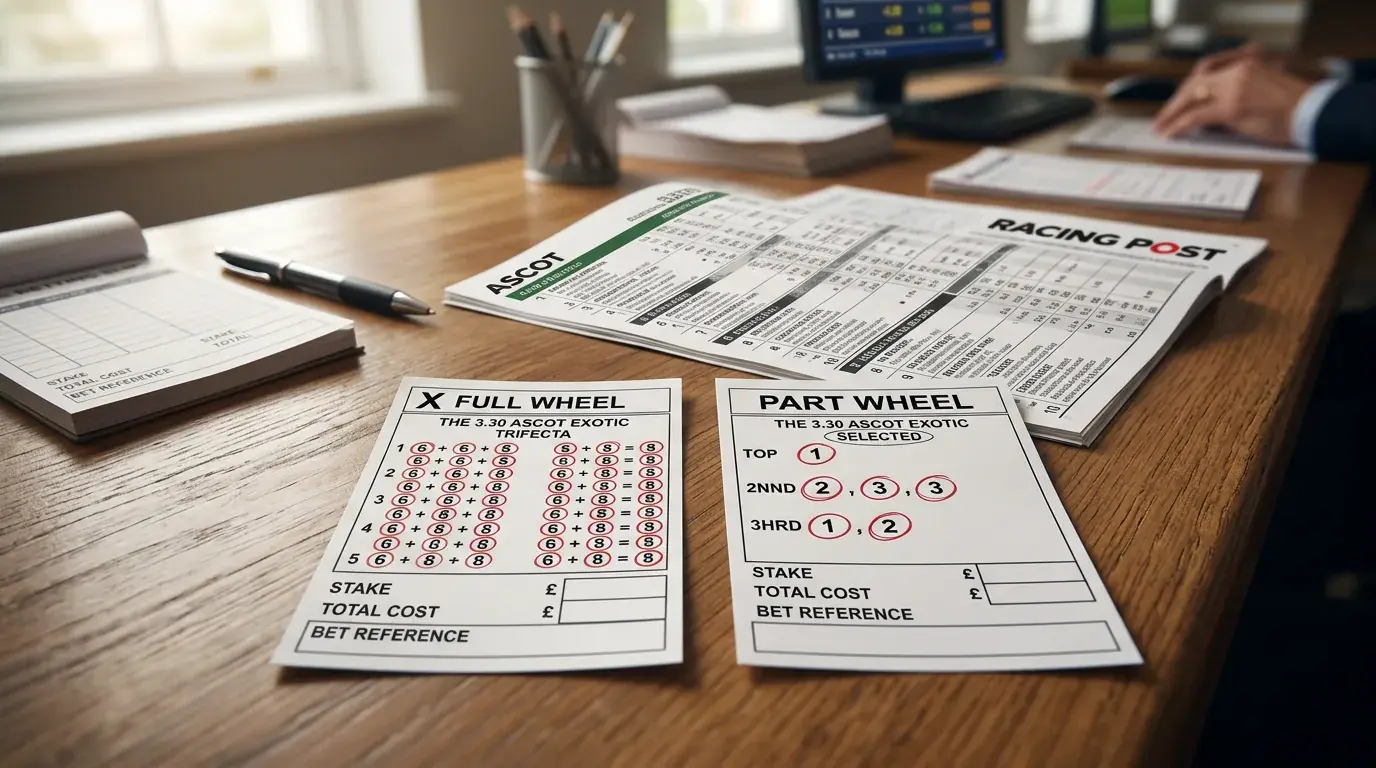
Tricast equals trifecta. First three finishers in correct order. The Tote runs tricast pools with 25% deduction. Bookmakers offer Computer Tricasts using a similar formula to CSF. American trifectas run through track pari-mutuel systems.
Reverse forecast covers both possible finishing orders between two horses, equivalent to an exacta box of two in American terms. The reverse forecast costs twice the single forecast since it includes both permutations.
Combination tricast boxes multiple horses for first, second, and third positions, analogous to a trifecta box. The cost multiplies based on how many horses you select. A four-horse combination tricast covers 24 permutations.
The Placepot has no direct American equivalent. This Tote pool bet requires selecting a horse to place in each of the first six races at a meeting. Place terms vary by field size. Success in all six legs wins a share of the pool. The closest American comparison might be a Pick 6, though that requires winners rather than place finishers.
Superfecta terminology matches between markets. First four finishers in correct order. British superfectas remain relatively rare compared to forecasts and tricasts, though the Tote offers them at major meetings.
Race Condition Terms
Race descriptions use different vocabulary that affects bet construction and selection analysis. These terms appear throughout form guides and race cards.
Going describes track conditions and represents one of the most important British racing concepts. The official going ranges from firm through good to firm, good, good to soft, soft, and heavy. American equivalents include fast, good, and muddy, though the British scale offers more gradations. Going significantly affects horse performance and requires attention when selecting key horses for wheel bets.
Form refers to a horse’s recent racing record. The form figures appear as numbers or letters indicating finishing positions in recent starts. A form line of 1-2-4-3 shows first, second, fourth, and third place finishes across the last four runs, reading right to left with most recent last.
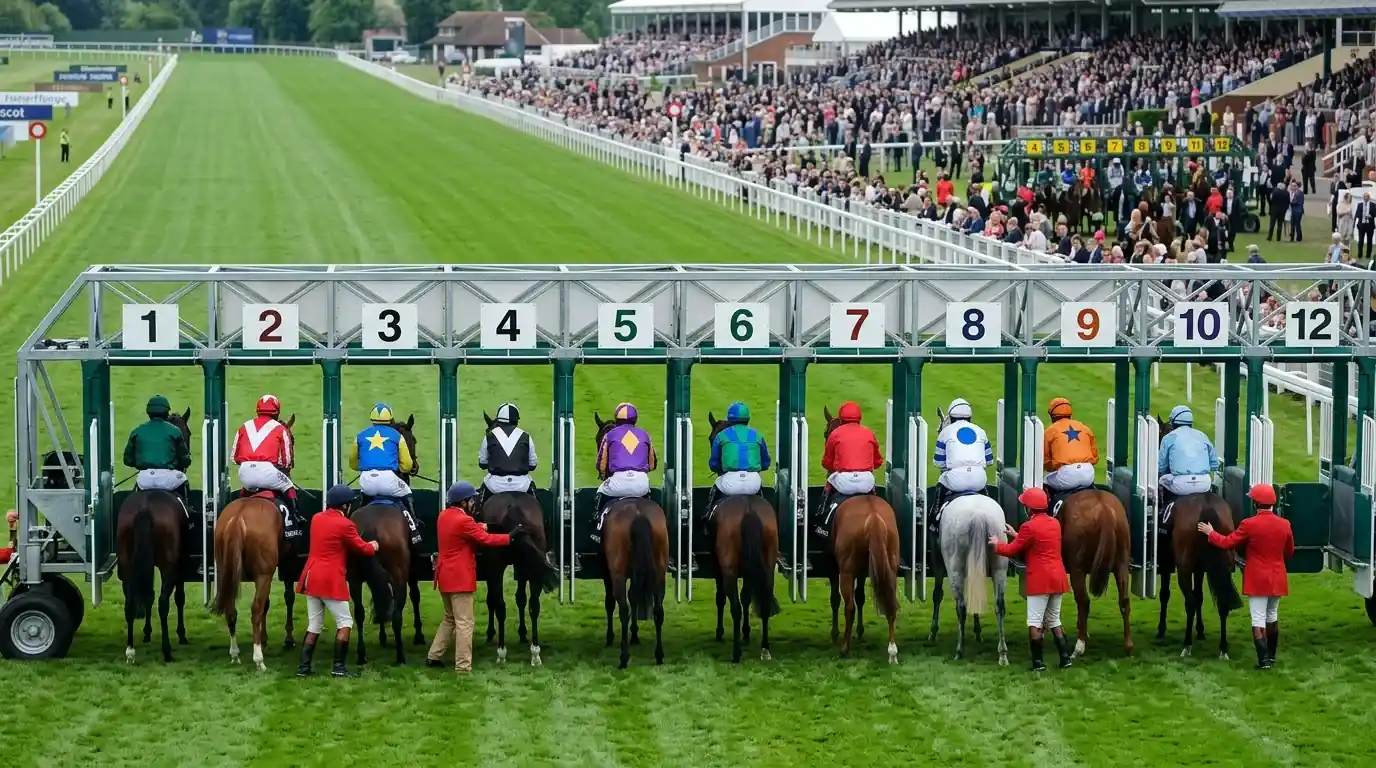
Flat racing runs on level tracks without obstacles, equivalent to American dirt or turf racing. Jump racing, also called National Hunt, involves hurdles or steeplechase fences. The distinction matters because different horses specialise in each code and the codes have different seasonal patterns.
Handicap races assign weights to horses based on official ratings, attempting to equalise chances. The weight allocation follows assessment by British Horseracing Authority handicappers. American claiming races and some handicaps follow similar principles though implementation details differ.
Pattern races represent the elite level of British flat racing, including Group 1, Group 2, and Group 3 designations. Listed races sit just below Pattern company. These classifications indicate race quality and help assess the level at which horses have competed. American graded stakes follow analogous tiering.
Pool Betting Terms
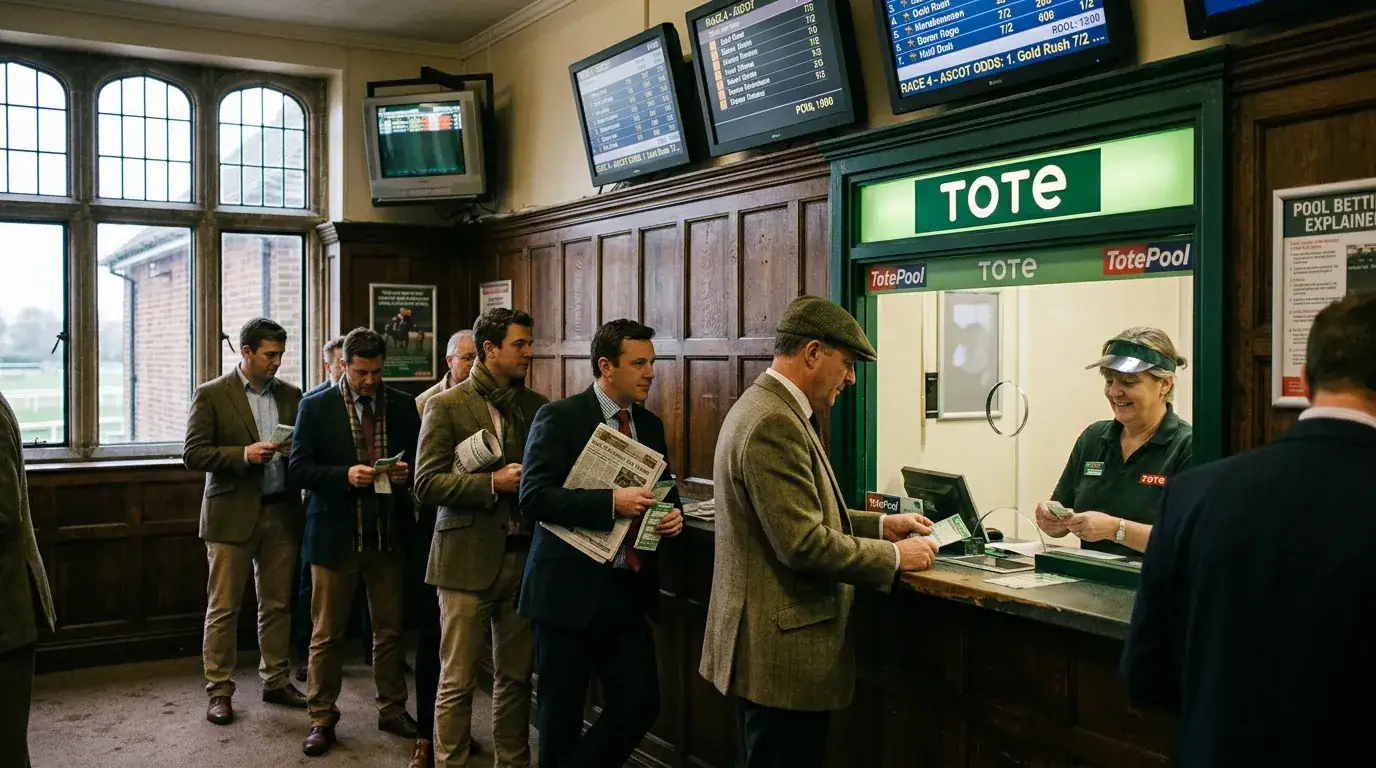
British pool betting operates primarily through the Tote, the UK’s pari-mutuel betting operator. Understanding Tote-specific vocabulary helps navigate exotic betting options.
Takeout equals deduction. The Tote deducts its commission before distributing the pool among winners. Current takeout rates include 25% for exacta and trifecta pools. This percentage represents the house edge that bettors must overcome to profit long-term.
Dividend describes the return paid to winning pool bettors. Dividends are expressed per £1 staked. A dividend of £47.50 means a £1 winning bet returns £47.50 total, including the original stake. American payouts often express the same information as return per $2 bet.
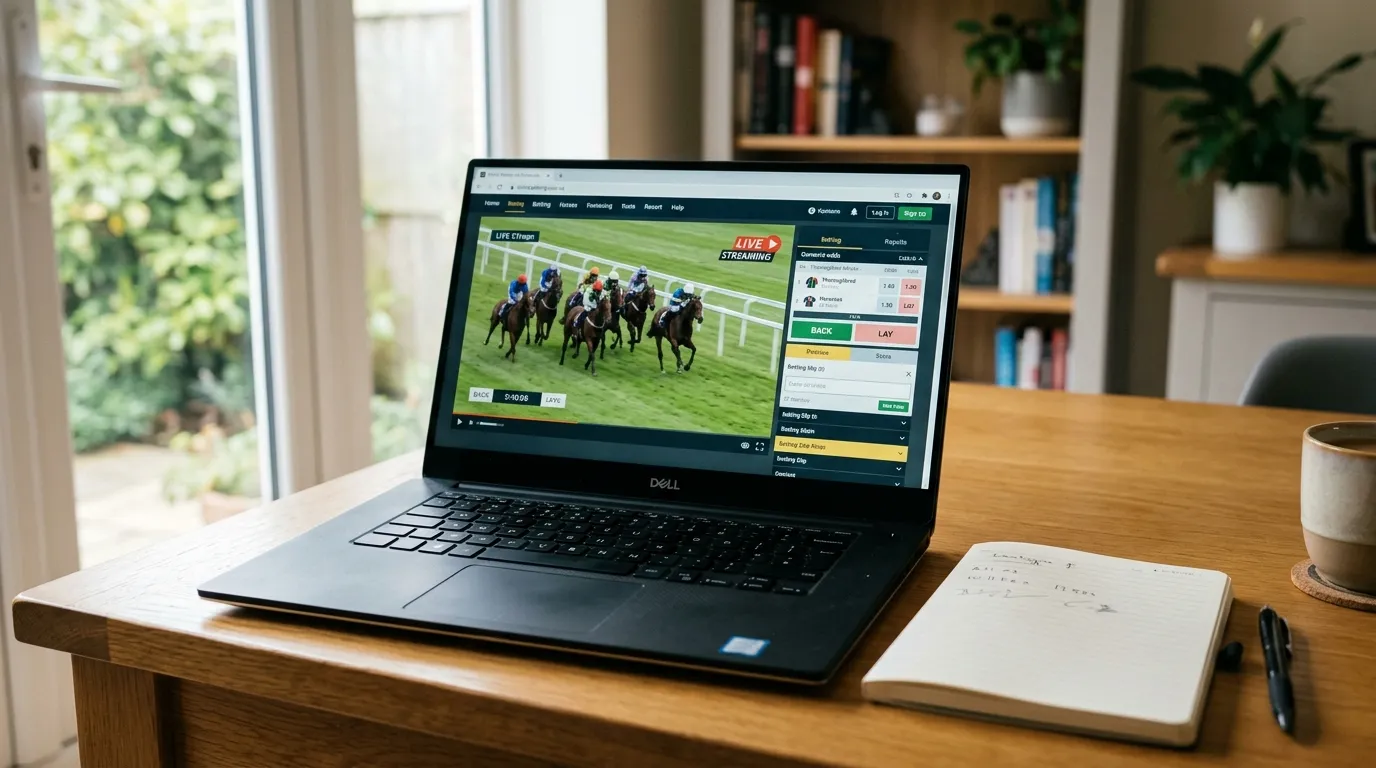
The Tote operates separately from bookmakers. Fixed-odds betting through traditional bookmakers like those found on high streets coexists with Tote pool betting. Some exotics like the Placepot exist only through the Tote. Others like forecasts are available through both channels, though the returns may differ.
Starting Price, abbreviated SP, represents the officially returned odds at the moment a race begins. The CSF and Computer Tricast calculations use SP rather than earlier prices. This differs from American pools where final odds reflect actual betting distribution.
The comprehensive wheel bet guide applies these terms throughout, using British terminology as the default while noting American equivalents where helpful. Familiarity with both vocabularies enables bettors to access resources and discussions from either market without translation barriers.
Additional terms appear regularly in race cards and betting discussions. An each-way bet combines a win bet with a place bet on the same horse at reduced odds for the place portion. Non-runner returns stakes when horses withdraw before a race. Best Odds Guaranteed means bookmakers pay the higher of your take price or SP if the horse wins. These features have varying American equivalents or may be unique to British betting.
Learning the vocabulary takes time but proves worthwhile for anyone serious about UK exotic betting. Miscommunication costs money through delayed transactions, misunderstood conditions, or missed opportunities. Speaking the language of British racing opens access to a sophisticated betting market with excellent exotic bet infrastructure and substantial pool liquidity at major meetings.
Keep a personal glossary as you encounter new terms. British racing media assumes familiarity with this vocabulary, rarely pausing to define terms that British bettors absorbed years ago. Building your own reference accelerates the learning process and prevents repeated confusion over the same terminology gaps.
Is a tricast the same as a trifecta?
Yes. Tricast is the British term for the same bet Americans call a trifecta: selecting the first three finishers in exact order. The bet structure is identical. Only the name differs between markets. British tricasts operate through Tote pools or Computer Tricast formula via bookmakers.
What does going mean in UK racing?
Going describes track conditions on a scale from firm (dry, fast ground) through good to soft and heavy (wet, slower ground). The official going report appears on race cards and significantly affects horse performance. Checking going preferences in a horse’s form record helps identify suitable candidates for wheel bet key horses.
Created by the ”Horse Racing Wheel bet” editorial team.