Field Size and Exotic Betting: Optimal Runner Counts for Wheel Bets
 Available in US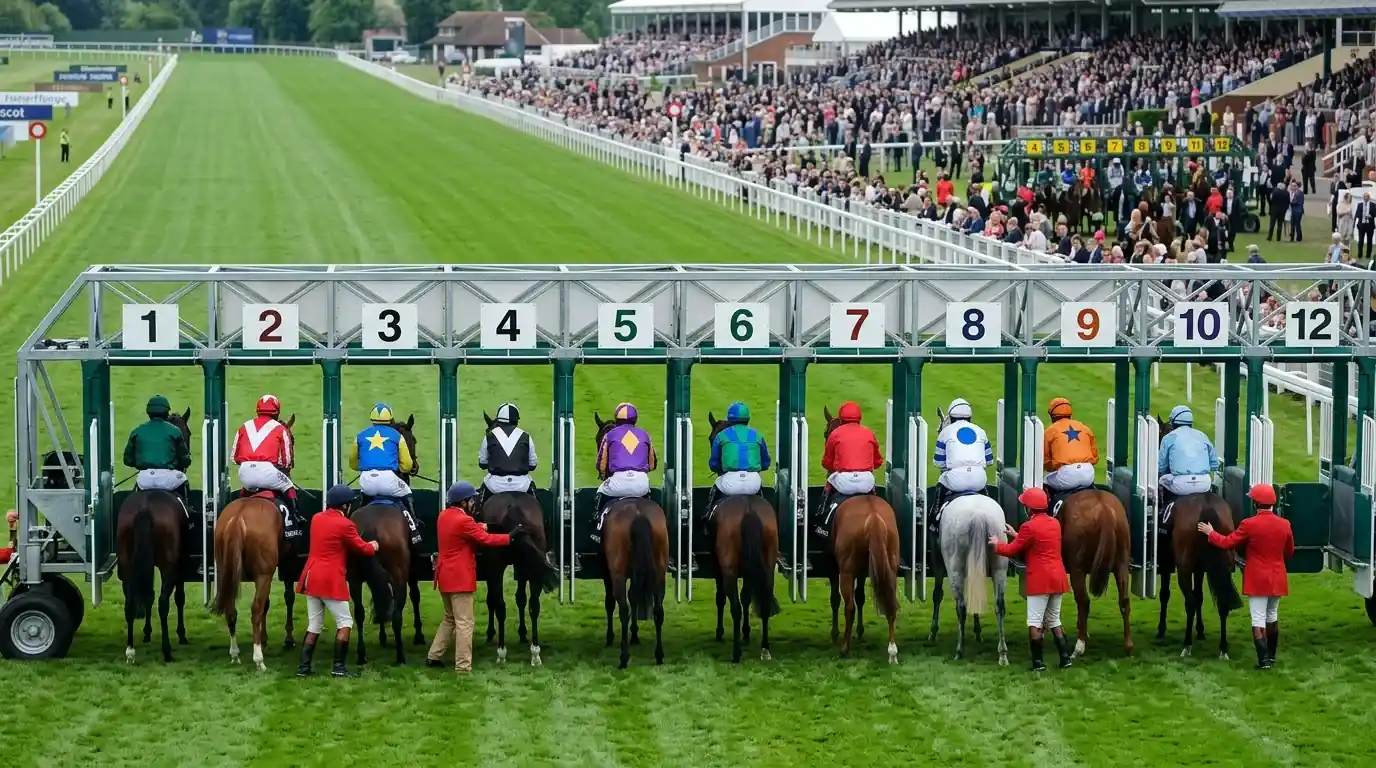
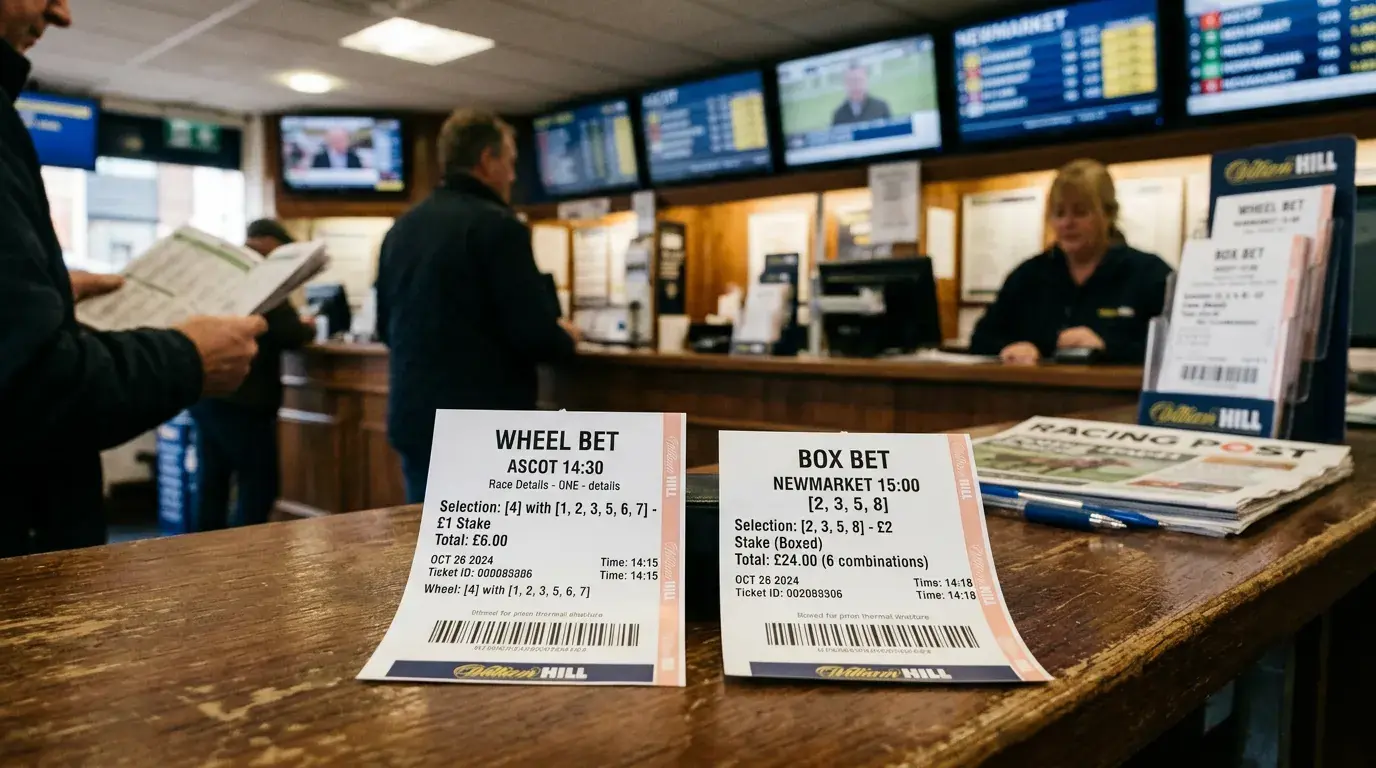
The card looked promising until I counted the runners. Three races with five horses each, two with four, and only one with a proper field of eleven. I ended up placing exactly one wheel bet that afternoon. Small fields had killed the value proposition in every other race. This experience repeats across British racing with increasing frequency, and understanding why matters for anyone serious about exotic wagering.
Field size determines everything about wheel bet construction. It controls your combination count, your cost structure, and ultimately your expected return. More than 20% of UK races now feature five or fewer runners, compared to just 14% back in 2019. That shift fundamentally changes how exotic bettors must approach the sport. The strategies that worked a decade ago require significant adjustment for current field realities.
Table of Contents
Small Field Problems
A five-runner trifecta offers exactly 60 possible finishing combinations. In theory, that creates opportunity. In practice, five-runner races present fundamental value problems that no bet construction can overcome.
The primary issue is predictability. With only five horses, the form book offers relatively complete guidance. Two or three runners usually emerge as serious contenders, with the others making up the numbers. Market efficiency increases because fewer variables exist. The favourite might still lose, but the range of likely outcomes narrows considerably. When outcomes are more predictable, pool payouts compress. The dividends that attract exotic bettors in the first place diminish.
Cost efficiency also suffers. A full trifecta wheel with one key horse in a five-runner field costs just 12 combinations. That seems cheap until you realise the potential payout often barely exceeds a straight win bet with similar chances of success. You are deploying exotic bet structure without capturing the exotic bet reward profile. The house takes its 25% from the pool regardless of field size, but the remaining money distributes among fewer unique outcomes. Returns flatten.
The 20.5% figure for races with five or fewer runners means roughly one in five British races falls into this problematic category. On a typical six-race card, at least one race, and often two, will offer suboptimal exotic conditions. Discipline means skipping these races entirely rather than forcing wheel bets into unfavourable situations. The capital saved covers larger opportunities on races with proper fields.
Small field handicaps represent the worst of both worlds. The handicapper has attempted to equalise chances, removing whatever class distinction existed. You are left with five or six horses of similar ability separated by small margins. The favourite wins at roughly the same rate as larger fields, but every other position becomes essentially random among the remaining runners. Wheel bets in these races amount to lottery tickets with poor odds.
Optimal Range Analysis
My data analysis across several years of personal betting points to 8 to 12 runners as the sweet spot for wheel bet value. This range offers enough complexity to create attractive payouts while maintaining manageable combination counts for reasonable coverage.
Current UK averages sit just below this range. Flat racing averaged 8.9 runners per race in 2025, down from 9.14 the previous year. Jump racing dropped to 7.84 runners from 8.49. The trend moves away from optimal exotic conditions. Both codes are losing competitiveness, though flat racing still produces enough double-figure fields to support meaningful wheel betting.
Within the 8 to 12 runner range, your key horse selection matters enormously. The larger the field, the more combinations exist, and the more your anchor must justify the cost structure built around it. In a 10-runner trifecta, a full wheel with one key horse creates 72 combinations. That represents a substantial stake requiring genuine conviction in your selection.
The optimal range also supports part wheel construction more effectively than smaller fields. With 10 runners, you might key one horse to win, select three for second, and three for third. That creates 9 combinations at manageable cost while covering the horses your analysis identifies as realistic place contenders. In a six-runner race, the same approach would cover almost everyone anyway, removing the point of selectivity.
Premier fixtures offer the best opportunities. These high-quality meetings average 10.97 runners in flat races, the strongest fields anywhere in the calendar. Planning your exotic betting around Premier fixtures rather than everyday cards increases your access to optimal field conditions. The racing may be more competitive, but the bet structures work as intended.
Large Field Opportunities
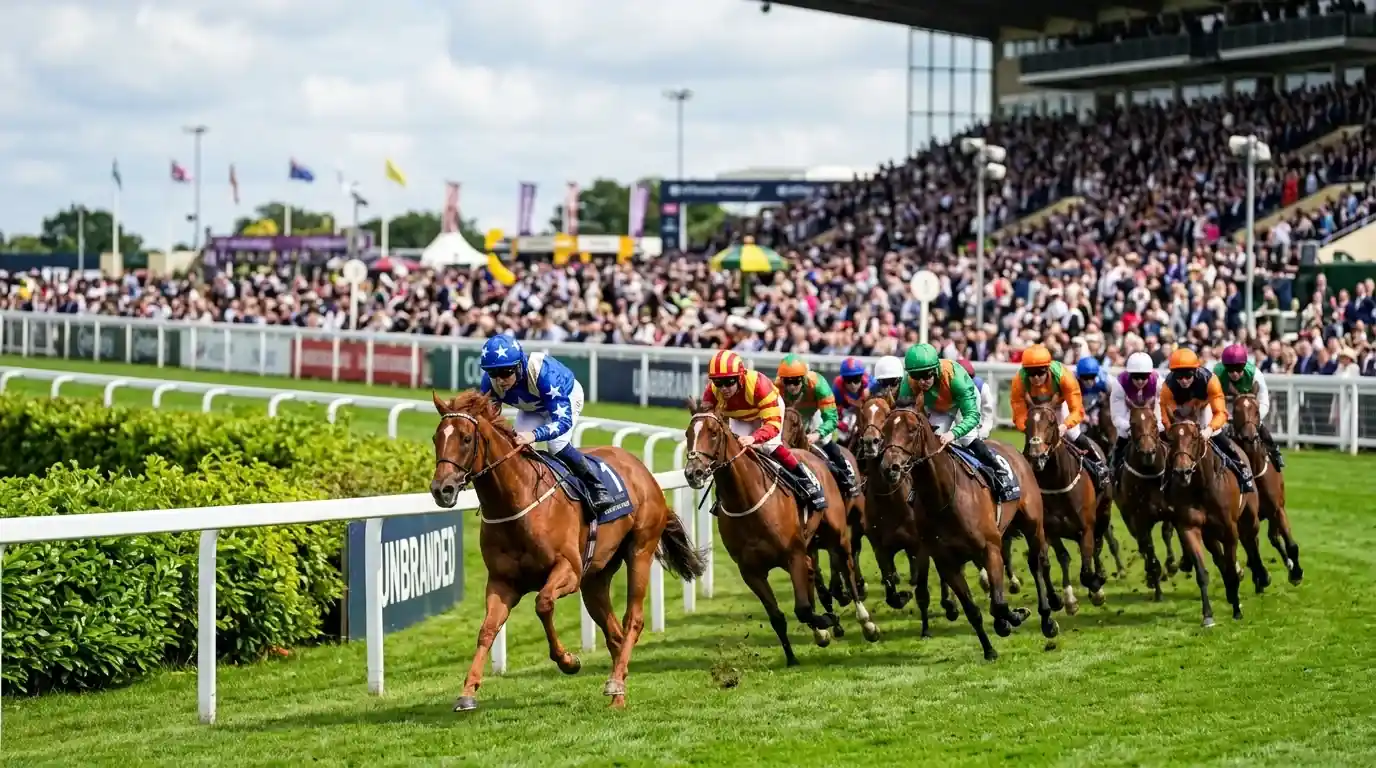
Fields above 12 runners create different challenges but also spectacular opportunities. These races typically occur at festivals, major handicaps, and the handful of conditions races that attract overflow entries.
The Grand National stands as the extreme example with its 40-runner maximum, the largest field in jump racing. Full wheel approaches become prohibitively expensive. A trifecta wheel with one key horse and the entire remaining field costs 1,482 combinations. Nobody bets that way. Instead, large field exotic betting requires multi-key structures, part wheels with severe restrictions, or acceptance that you will miss many winning combinations.
The value proposition in large fields comes from chaos. When 16 or 20 horses compete, pace scenarios multiply. Trouble in running affects more runners. Longshots find seams at bigger prices. The resulting trifecta and superfecta payouts can be substantial, sometimes reaching thousands of pounds from modest stakes. That upside justifies more speculative wheel construction.
My approach to large field races involves multiple keys rather than single anchors. Instead of keying one horse to win, I might key two horses to finish in the first two positions, then use five or six others for the third spot. The cost rises but remains manageable, and the structure acknowledges the genuine uncertainty that large fields create. The complete wheel bet guide details these multi-key constructions with worked examples.
Seasonal awareness helps identify large field opportunities. The spring handicaps at the Cheltenham and Aintree festivals, summer heritage handicaps at Royal Ascot and Glorious Goodwood, and autumn championship races at various tracks all tend toward maximum fields. Building your exotic betting calendar around these fixtures concentrates activity where field sizes support wheel bet mathematics.
The contrast between large field value and small field problems creates a clear strategic direction. Save your exotic capital for races with proper fields. Accept that some cards offer limited wheel bet opportunities. The discipline to wait for right conditions matters more than forcing action on every race. When eight or more horses load into the stalls, that is when wheel bet strategy earns its keep.
What is the minimum field size for a worthwhile trifecta?
Seven runners represents a practical minimum for trifecta value. Below that, payouts typically compress to levels where the combination cost does not justify the potential return. The optimal range is 8 to 12 runners, where complexity creates attractive dividends while costs remain manageable through part wheel construction.
Why do 20% of UK races have 5 or fewer runners?
The UK horse population has declined steadily, dropping to 21,728 in training during 2025. Fewer horses means smaller fields across all fixture types. Economic pressures on owners, training costs, and regulatory changes affecting betting have contributed to reduced runner numbers. The BHA projects further declines of 6-7% by 2027.
Written by the editors at Horse Racing Wheel bet.