Premier vs Core Fixtures: Where to Focus Your Exotic Betting
 Available in US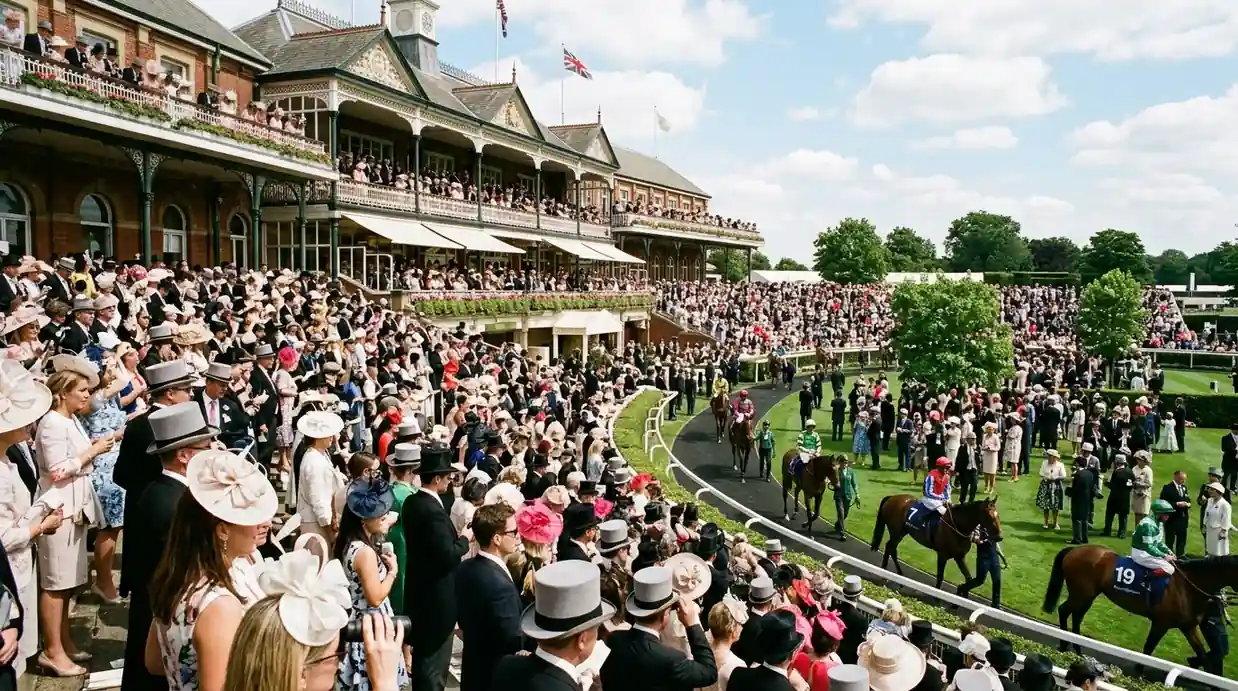
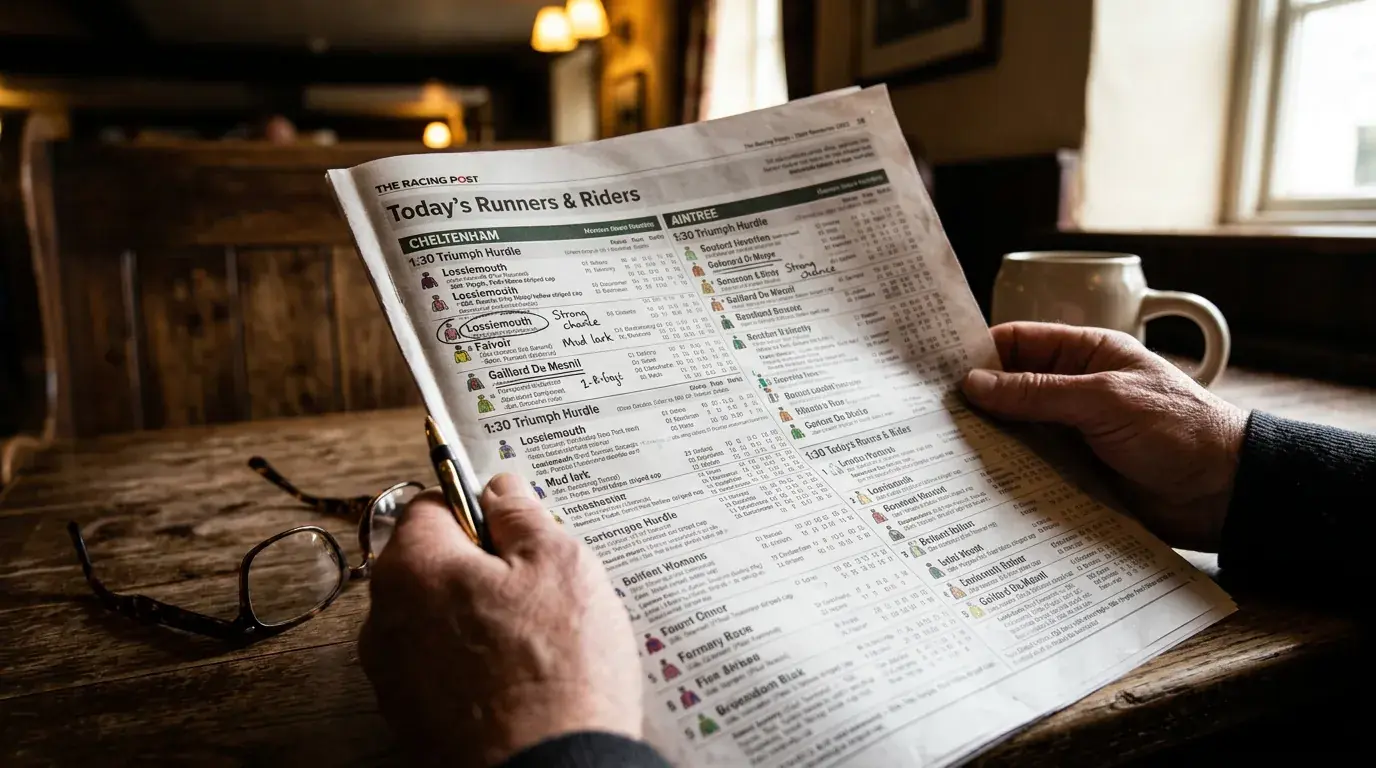
The afternoon’s form study complete, I faced a choice: two modest races at a Core fixture or one quality race at the Premier meeting running simultaneously. The exotic budgets for each option would be similar. But the underlying conditions differed enormously. That decision, repeated dozens of times across a season, shapes overall exotic results more than individual selection accuracy. Where you bet matters as much as what you bet.
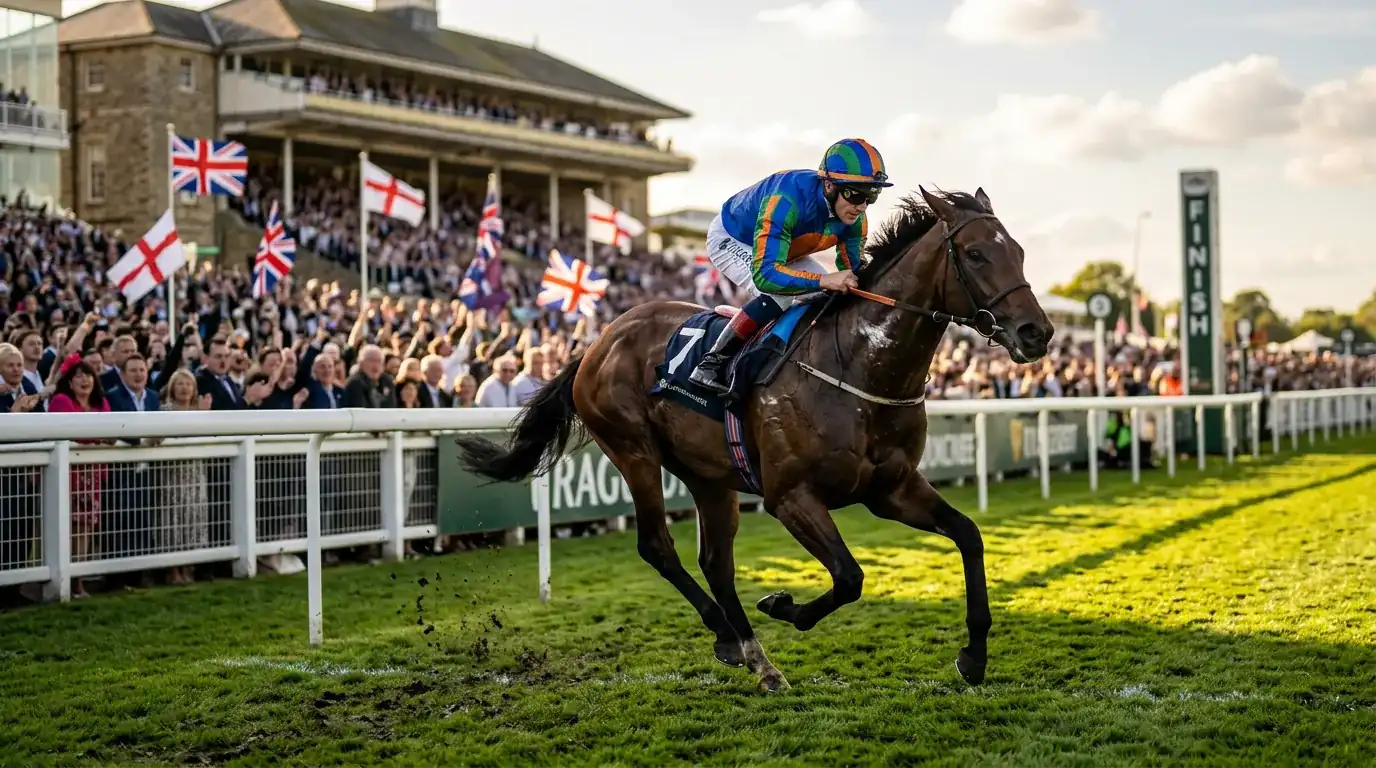
British racing categorises fixtures into tiers that determine everything from prize money to programming to betting interest. Premier fixtures represent the elite meetings attracting quality fields and substantial turnover. Core fixtures fill the calendar with everyday racing that keeps the industry functioning but generates less excitement. Understanding this distinction helps exotic bettors allocate attention and capital where conditions favour success.
Table of Contents
Turnover Divergence
The gap between Premier and Core fixture performance has widened dramatically. Average turnover per race at Premier fixtures grew 1.1% in 2025, modest but positive. Core fixture turnover per race fell 8.1% over the same period. The first quarter of 2025 showed even starker divergence, with Core fixtures experiencing a 14.4% decline in average per-race turnover.
This divergence reflects betting public preferences concentrating on quality racing. When affordability checks and other frictions limit betting activity, punters prioritise the meetings that matter. Premier fixtures offer the quality fields, competitive races, and substantial pools that justify engagement. Core fixtures feel increasingly like background noise that serious bettors can skip without missing much.
For exotic betting, turnover directly affects pool size. Larger turnover creates larger pools. Larger pools produce more stable dividends less susceptible to distortion by individual large bets. The growing Premier advantage in turnover translates into growing Premier advantage in pool quality. Exotic bets at Premier fixtures operate in better-functioning markets than those at Core fixtures.
The concentration accelerates as turnover shifts. As more money moves to Premier meetings, those pools become even more attractive relative to shrinking Core alternatives. This creates a self-reinforcing cycle where quality meetings capture increasing shares of exotic activity simply because their pools already contain the liquidity serious bettors require.
Field Size Advantage
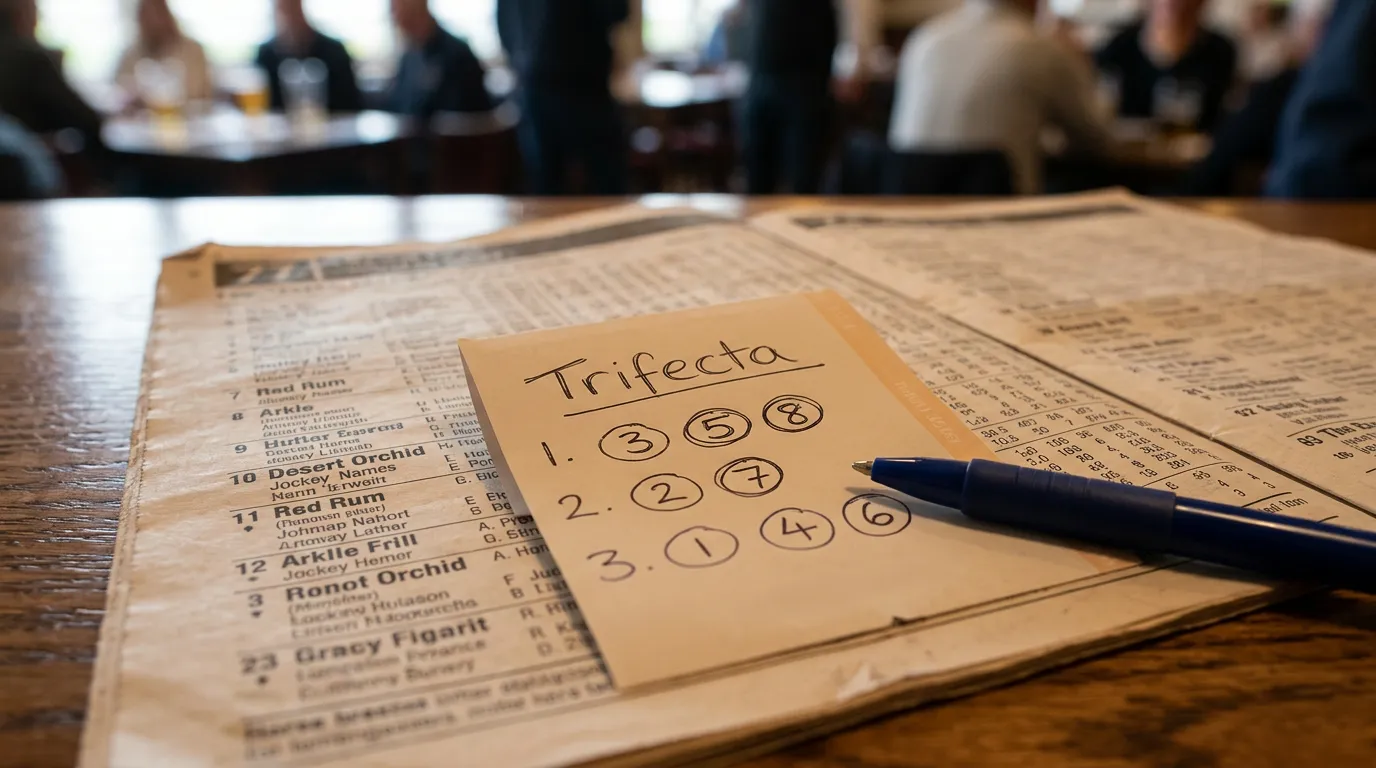
Premier flat fixtures average 10.97 runners per race, the highest figure in British racing. This field size creates genuine exotic betting complexity that Core fixtures increasingly cannot match. A typical Premier race offers nearly 1,000 possible trifecta combinations. Many Core fixture races, with six or seven runners, offer fewer than 300.
The field size advantage compounds across a card. A Premier meeting might offer five races with double-figure fields, creating sustained exotic opportunity throughout the afternoon. A Core fixture might offer one such race among six or seven small-field events. The volume of attractive races justifies concentrating on Premier fixtures even when individual race analysis at a Core fixture seems promising.
Field size also indicates competitive depth. Premier fixtures attract multiple runners from leading yards, each with realistic winning chances. Core fixtures more frequently feature one or two obvious contenders against modest opposition. The competitive balance that creates exotic value exists more reliably at Premier meetings where quality horses actually contest rather than simply attending.
Trainers target Premier fixtures with their best horses for obvious reasons. Higher prize money rewards success. Better racing surfaces suit quality animals. Prestige accrues to Premier victories. This targeting means the best horses appear at Premier fixtures, creating the quality racing that justifies the meeting’s status. Core fixtures receive the horses not quite good enough for higher company.
Strategic Focus
The practical implication is clear: bias exotic activity toward Premier fixtures unless specific circumstances justify Core fixture engagement. This means planning your betting calendar around the racing calendar, identifying Premier fixtures in advance and allocating budget accordingly.
The Premier fixture list includes established events: Royal Ascot, Glorious Goodwood, York’s Ebor Festival, Newmarket’s Guineas and July meetings, Doncaster’s St Leger, and the major jump festivals at Cheltenham, Aintree, and Sandown. Regional equivalents include the Scottish Grand National meeting at Ayr, Welsh Grand National at Chepstow, and various valuable days at Kempton, Haydock, and Newbury.
Core fixtures have their place in exotic betting when specific conditions apply. A Core fixture at a course you know exceptionally well might offer edge that generic Premier fixture coverage lacks. A Core meeting with an unusually strong card due to scheduling quirks might approach Premier quality. The default should favour Premier, but rigid rules sometimes miss localised opportunities.
Budget allocation should reflect fixture quality. Consider dedicating 70% to 80% of exotic capital to Premier fixtures, with the remainder for opportunistic Core fixture engagement. This weighting captures the better conditions at quality meetings while preserving flexibility for exceptional circumstances elsewhere.
The wheel bet strategy fundamentals apply regardless of fixture category. Sound key horse selection, appropriate cost management, and disciplined part wheel construction work at Premier and Core meetings alike. The difference lies in how often races meet the conditions where these strategies succeed. Premier fixtures meet those conditions more consistently, justifying their priority in exotic planning.
Track your results by fixture category to confirm or revise these allocations. If your selection methods produce better results at Core fixtures than Premier ones, the data should override general principles. Most bettors will find the opposite: Premier fixtures reward exotic activity more generously because the underlying conditions support that outcome.
The fixture divergence appears likely to continue as market pressures intensify. Racing authorities have discussed reducing the overall fixture list to concentrate runners into fewer, stronger meetings. If that happens, the Premier versus Core distinction becomes even more pronounced. Stay informed about industry developments that might reshape fixture categorisation and betting opportunity distribution.
Quality over quantity guides sustainable exotic betting. Fewer bets at better meetings typically outperforms more bets spread indiscriminately. The Premier fixture focus implements this principle at the calendar level, directing activity toward races where exotic betting conditions actually support profitable engagement. That discipline serves long-term results better than constant action on whatever racing happens to be available.
Build your racing calendar around Premier fixtures. Mark those dates, protect budget for them, and apply your best analysis when they arrive. The Core fixtures can fill gaps if conditions warrant, but they should never consume resources better deployed at quality meetings. That prioritisation alone improves exotic betting results without changing anything about selection methodology or wheel construction.
What qualifies as a Premier fixture?
Premier fixtures include major racing festivals and quality meetings attracting strong fields and substantial betting turnover. Examples include Royal Ascot, Glorious Goodwood, York’s Ebor meeting, Cheltenham Festival, and Aintree’s Grand National meeting. These fixtures average 10.97 runners per race on flat and offer the best exotic betting conditions in British racing.
Why is Core fixture turnover declining faster?
Core fixture turnover fell 8.1% in 2025 compared to 1.1% growth at Premier meetings. When betting activity faces constraints from affordability checks and other factors, punters prioritise quality racing. Core fixtures with smaller fields and lower prize money lose betting interest while Premier meetings maintain or grow their share of reduced total turnover.
Created by the ”Horse Racing Wheel bet” editorial team.