Trifecta Key vs Wheel: Choosing the Right Structure for Each Race
 Available in US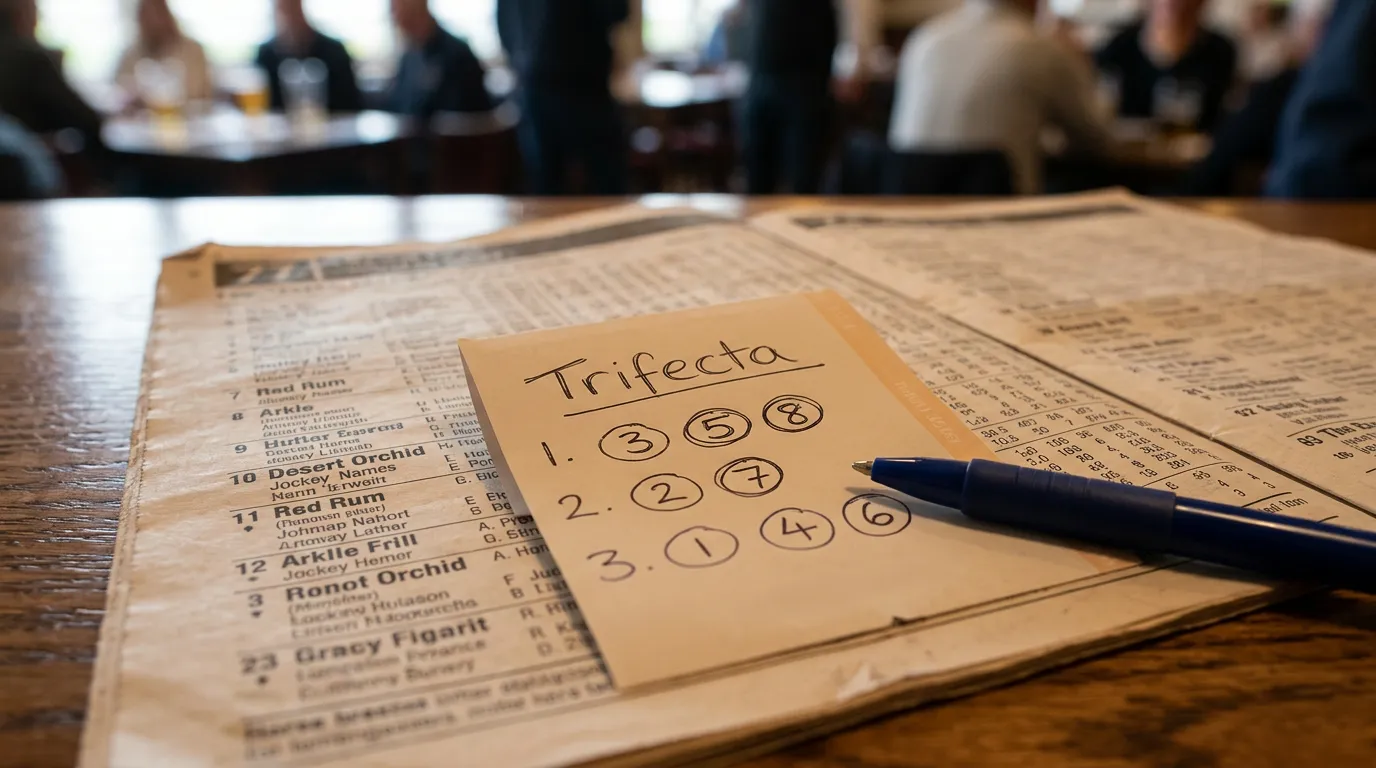
Two races on the same card presented completely different puzzles. The first featured one horse I considered near-certain for the frame but uncertain for the win. The second had a standout likely winner surrounded by impossible-to-separate contenders for the minor placings. The optimal trifecta structure differed entirely between them. Recognising which structure fits which situation transformed my exotic betting from random wheel deployment to strategic position-taking.
Trifecta betting offers structural flexibility that straight betting lacks. You can key a horse to win with others wheeling behind, key a horse for any position in the top three, wheel horses across all positions, or construct hybrid structures matching your view of each race. Choosing wisely among these options improves results more than marginal selection improvements possibly could.
Table of Contents
Key Bet Structures
A key bet places one horse in a specific position while others fill the remaining spots. The most common structure keys a horse to win with multiple horses eligible for second and third. This approach suits races where you have strong conviction about the winner but uncertainty about which horses complete the frame.
The mathematics of keying reflect this conviction structure. A key win bet with four horses for second and third produces twelve combinations. The same four horses in a full wheel produces twenty-four combinations. Keying cuts your cost in half while sacrificing coverage for scenarios where your key horse finishes second or third rather than winning.
Key bets make sense when genuine standouts exist. Average UK flat field sizes of 8.9 runners mean many races include horses that tower over opposition in demonstrated ability. When class difference suggests overwhelming win probability for one horse, keying to win captures that probability without paying for positions where the horse is unlikely to finish.
Multiple key positions extend flexibility. Keying a horse for first and second with others filling around creates structures that succeed whether your selection wins or runs second. The cost increases but so does coverage. The decision involves your confidence level and how you expect that confidence to translate into finishing positions.
Back-wheel keys reverse the standard structure. Instead of keying one horse with many behind, you key several horses to win with one horse guaranteed for second or third. This suits races where you cannot separate potential winners but identify a reliable horse for the minor placings. The dependent horse appears in every combination, reducing cost while focusing coverage on the uncertain win position.
Full Wheel Applications
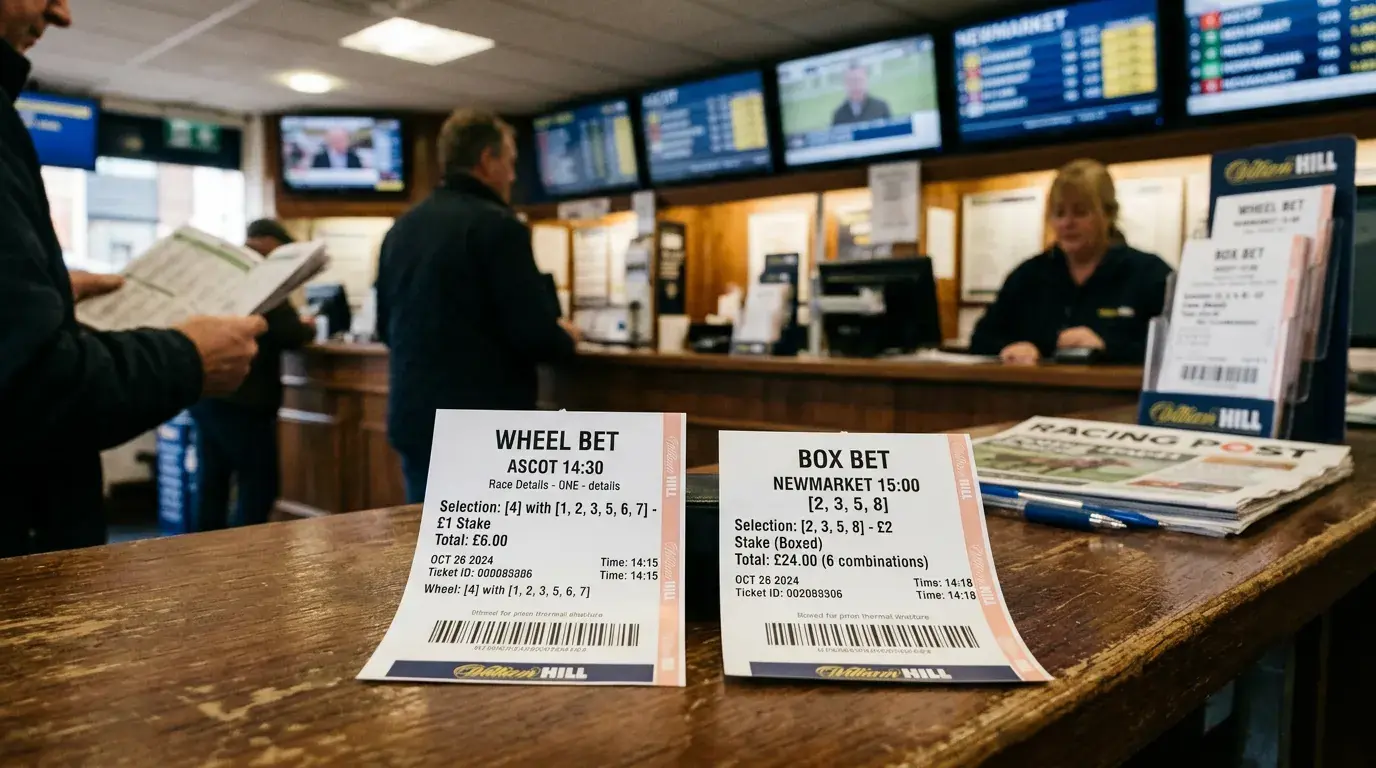
Full wheels allow selected horses to finish in any order within the top three. A four-horse full wheel produces twenty-four trifecta combinations covering every possible arrangement of those horses in first, second, and third. No horse is anchored to a specific position.
This structure suits races where you can identify a group likely to fill the frame but cannot confidently assign finishing order within that group. Competitive handicaps often create these conditions. Four or five horses of similar ability, all with realistic winning chances, justify full wheel treatment that captures whichever ordering actually occurs.
Cost increases substantially with full wheels compared to keyed structures. The same four horses that produce twelve combinations in a key win structure produce twenty-four in a full wheel. Expansion to five horses creates sixty combinations. Six horses mean one hundred twenty combinations. Full wheel costs escalate rapidly as horse counts increase.
Part wheels modify full wheel coverage by removing unlikely finishing orders. If you believe certain horses are more likely winners than others, you can exclude combinations that place them in second or third. This reduces cost while maintaining coverage for the ordering scenarios you consider most probable.
Favourites win approximately 30% to 35% of UK races, meaning two-thirds of races are won by horses other than the favourite. Full wheels that include several contenders capture this competitive uncertainty better than key structures that demand specific horses in specific positions. The trade-off involves higher cost for broader coverage.
Race-Specific Matching
Matching structure to race conditions improves exotic results systematically. Develop recognition patterns for which races suit which approaches.
Key structures fit races with clear hierarchies. Pattern races often feature class standouts returning from group success against lesser opposition. Conditions races may include one horse with perfect conditions while others face compromises. Maiden races sometimes feature expensive, well-bred horses from top yards facing modest rivals. These hierarchies suggest keying the standout rather than treating all contenders equally.
Full wheels fit competitive races without standouts. Big-field handicaps where the handicapper has successfully compressed ability differences suit wheel treatment. Races where several horses show similar form figures and face similar conditions offer no anchor for keying. These situations reward broader coverage across multiple contenders.
The trifecta wheel guide provides detailed construction techniques for both approaches. Understanding the conceptual difference between structures comes first. Implementation details follow once you recognise which structure fits the race you are analysing.
Field size influences structure choice. Small fields of six or seven runners may not justify full wheel costs given limited combination totals. Large fields of fifteen or more create complexity that part wheels navigate better than full wheel attempts to cover too many horses. Match your structure ambition to the field size available.
Hybrid structures combine elements across multiple legs. Key one horse to win, wheel three horses for second, and include two specific horses for third. These bespoke constructions match complex race assessments that pure key or pure wheel structures cannot capture. The flexibility exists. Use it when your analysis demands it.
Review your structure choices after results arrive. Did you key when you should have wheeled? Did full wheel costs exceed what part wheel coverage would have required? Post-race analysis of structure decisions, separate from selection accuracy, reveals patterns that improve future matching. The horse that finished second might have been your key to win, but the structure choice matters independently of that selection error.
Structure discipline prevents emotional betting that destroys bankrolls. The temptation to expand coverage beyond what analysis supports increases when recent bets have lost. Resist that temptation by committing to structure decisions before seeing prices or pool movements. Decide what structure fits the race based on competitive analysis, then execute that structure regardless of psychological pressures to add coverage.
Over time, you will develop intuition for structure matching that supplements explicit analysis. Experience teaches which race types suit which approaches faster than abstract principles can convey. Trust that developing intuition while maintaining the analytical framework that grounds your structural choices in race conditions rather than hope or fear.
When should I key versus wheel a trifecta?
Key when one horse stands out as a likely winner but you cannot separate the minor placing contenders. Wheel when multiple horses have similar winning chances and you cannot confidently assign finishing positions. The race conditions determine which structure fits: clear hierarchies favour keying while competitive races favour wheeling.
How much more does a full wheel cost than a key bet?
A full wheel with four horses costs twice as much as keying one of those horses to win (24 combinations versus 12). Five horses increase full wheel cost to 60 combinations compared to 20 for a key structure. The cost difference grows as horse counts increase, making structure choice significant for bankroll management.
Published by the Horse Racing Wheel bet team.