Trainer-Jockey Combinations: Using Partnership Data in Exotic Selection
 Available in US
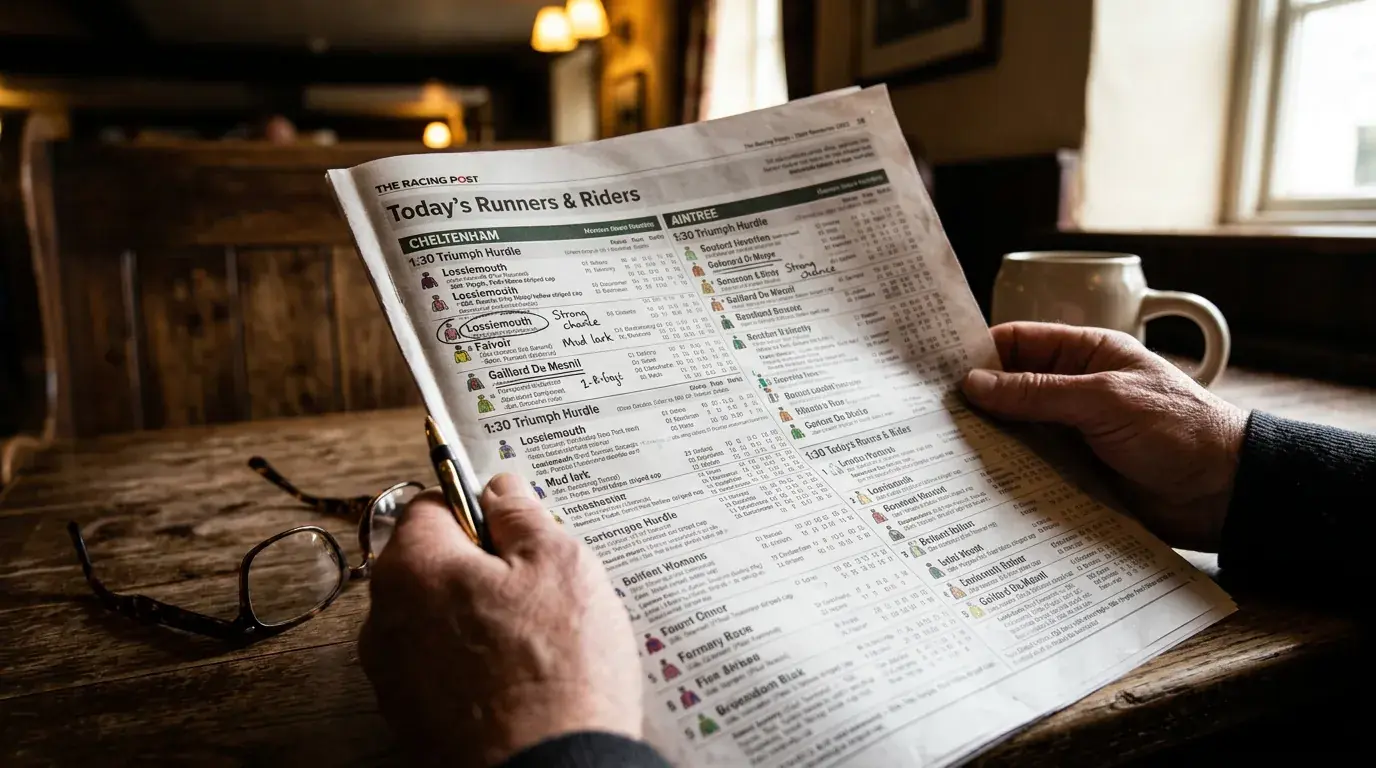
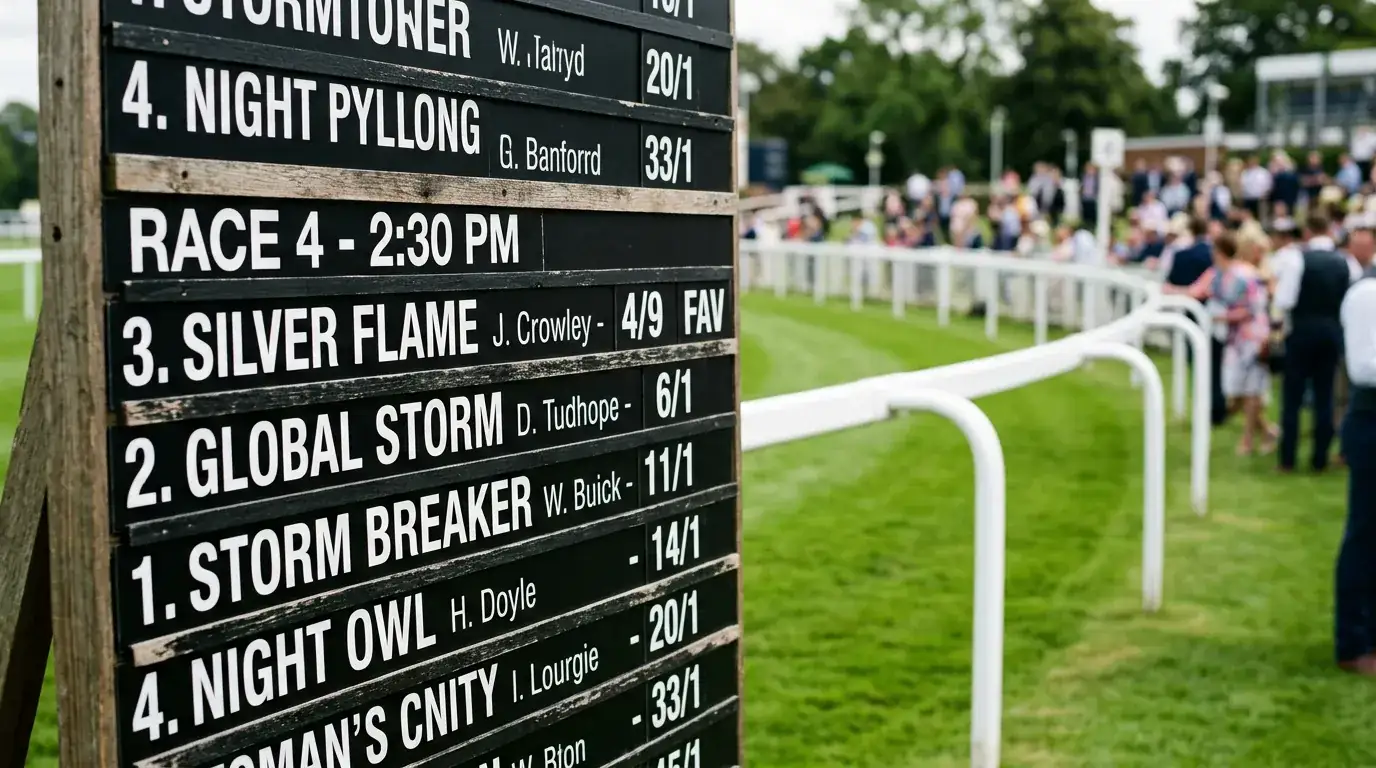
The jockey booking changed the morning of the race. A leading rider replaced the intended pilot, signalling something had shifted in the trainer’s plans. This information, available to anyone monitoring declarations, told me more than the form book could. Trainer-jockey combinations carry information about confidence, intent, and expectation that supplements standard form analysis. For exotic betting, these partnerships help distinguish between horses with genuine winning chances and those merely entered to fulfil obligations.
British racing operates through networks of professional relationships. Trainers develop working partnerships with jockeys whose styles suit their horses and whose professionalism they trust. Some combinations achieve exceptional results. Others produce disappointing returns. Understanding these patterns adds a dimension to exotic selection that pure form study misses.
Partnership Statistics
Certain trainer-jockey partnerships consistently outperform expectations based on the horses they combine to compete. These elite combinations achieve win rates and place rates that exceed what the individual participants might achieve separately. The synergy reflects communication, understanding, and tactical alignment that develops through repeated collaboration.
Tracking these statistics requires systematic data collection over meaningful sample sizes. A partnership that wins three from five runners might reflect skill or might reflect small sample variance. Partnerships with fifty or more runners together provide more reliable evidence of genuine superiority or inferiority. The major racing data providers publish combination statistics that save manual tracking effort.
Champion trainer and champion jockey partnerships receive obvious attention, but value often lies elsewhere. Second-tier trainers with specific jockey relationships may outperform more famous names when those jockeys ride for them. Regional trainers often have local jockey partnerships that produce remarkable results within their circuits. These less-publicised combinations offer edge precisely because they receive less market attention.
Favourites win approximately 30% to 35% of UK races, but this rate varies by trainer-jockey combination. Some partnerships convert favouritism at higher rates. Others underperform when their runners start as market leaders. Understanding which combinations you can trust when the market favours their runners improves key horse selection for exotic structures.
Booking Pattern Analysis
Jockey booking patterns reveal trainer intentions more clearly than official statements ever could. The choice of rider communicates confidence level and race expectations in ways that form study alone cannot capture.
First-choice jockey bookings indicate serious intent. When trainers engage their preferred riders for specific horses, they expect those horses to compete meaningfully. The booking represents investment in the race outcome. These runners deserve serious exotic consideration because the people closest to them clearly believe in their chances.
Second-choice or third-choice jockey bookings may indicate lower expectations. When a trainer’s usual rider is available but a lesser-known jockey takes the mount, questions arise about what the trainer actually expects. These bookings might reflect scheduling conflicts or they might suggest the horse runs for reasons other than winning today. Context determines interpretation.
Booking changes close to race time carry significant information. Late jockey switches, especially upgrades to more prominent riders, often indicate something has improved in the trainer’s assessment. The horse worked well, an issue resolved, or circumstances shifted to make this race a genuine target. Downgrade switches carry opposite implications that warrant caution.
John Gosden, the celebrated trainer, observed that racing faces crisis from multiple directions. His comment reflected broader industry concerns, but the crisis affects trainer-jockey relationships too. Economic pressures force some partnerships to dissolve as participants pursue better opportunities. The combinations that worked historically may not persist into the future. Current booking patterns matter more than historical partnership data when relationships have changed.
Integration into Exotic Strategy
Trainer-jockey combination analysis enhances exotic selection when integrated appropriately with other factors. Several practical applications improve wheel construction.
Use combination statistics as tiebreakers between otherwise similar candidates. When two horses seem equally attractive on form, distance, and going grounds, superior trainer-jockey combination may tip the selection. The marginal advantage compounds across multiple selections within a wheel structure.
Flag combination red flags that warrant caution. Poor historical results between a trainer and jockey suggest something does not work about that partnership. Perhaps the jockey’s style mismatches the trainer’s horses. Perhaps communication fails. Whatever the cause, persistently poor combination results justify downgrading candidates who bring that partnership to today’s race.
Monitor booking patterns for confidence signals. First-choice bookings on runners that form and price make attractive confirm serious intent. Booking downgrades on horses that seemed strong on paper raise questions worth investigating before committing exotic capital.
The key horse selection guide incorporates combination analysis among multiple factors. No single element determines exotic suitability. Strong trainer-jockey partnership combined with other positive factors strengthens candidacy. Weak partnership combined with other concerns justifies exclusion. The factors interact rather than operating independently.
Develop familiarity with the partnerships active in the racing you follow. Specialising in specific tracks or trainers allows deeper partnership knowledge than spreading attention across all UK racing could achieve. This focused approach yields better combination insight for your selected domain while accepting ignorance beyond it.
Remember that combination statistics describe the past while racing occurs in the present. Partnerships evolve. Jockeys improve or decline. Trainers change methods. Historical combination data provides useful context but cannot guarantee future results. Use the statistics to inform rather than dictate selections, maintaining flexibility to override historical patterns when current evidence suggests change.
Track your own results from combination-influenced selections. Do horses with strong partnership statistics outperform in your exotic bets? Do booking pattern signals correlate with actual outcomes? Personal data confirms whether combination analysis adds value for your specific approach or merely adds complexity without improving results.
The human element that trainer-jockey combinations represent distinguishes horse racing from purely statistical exercises. Relationships matter. Trust matters. Communication matters. These intangible factors influence race outcomes in ways that numbers alone cannot fully capture. Combination analysis attempts to quantify the unquantifiable, providing useful approximations rather than precise measurements.
Booking pattern monitoring requires attention to declarations and race-day information that casual analysis might miss. Build checking declaration updates into your pre-race routine. The few minutes required to verify jockey bookings against expectations can reveal information that changes your entire exotic approach for a race. This discipline catches confidence signals and concern flags that less attentive bettors overlook.
Trainer-jockey analysis represents one tool among many in exotic betting preparation. Use it to enhance rather than replace form study, going analysis, and other selection factors. The combinations that consistently produce results deserve your attention. Those that consistently disappoint warrant your caution. Pattern recognition across many races builds the intuition that supplements statistical analysis when exotic selection decisions arrive.
How do I find trainer-jockey win rates?
Major racing data providers including Racing Post, Timeform, and At The Races publish trainer-jockey combination statistics. These show win rates, place rates, and return on investment for partnerships with sufficient sample sizes. Look for combinations with fifty or more runners together for statistically meaningful patterns rather than small sample results.
Do booking changes signal confidence?
Yes, jockey booking patterns often reveal trainer intentions. First-choice bookings indicate serious race intent. Late upgrades to more prominent riders suggest improved confidence. Booking downgrades may signal reduced expectations. These patterns provide information about trainer assessment that supplements standard form analysis for exotic selection.
Prepared by the Horse Racing Wheel bet editorial staff.