Odds-On Favourites Strategy: When to Key and When to Oppose
 Available in US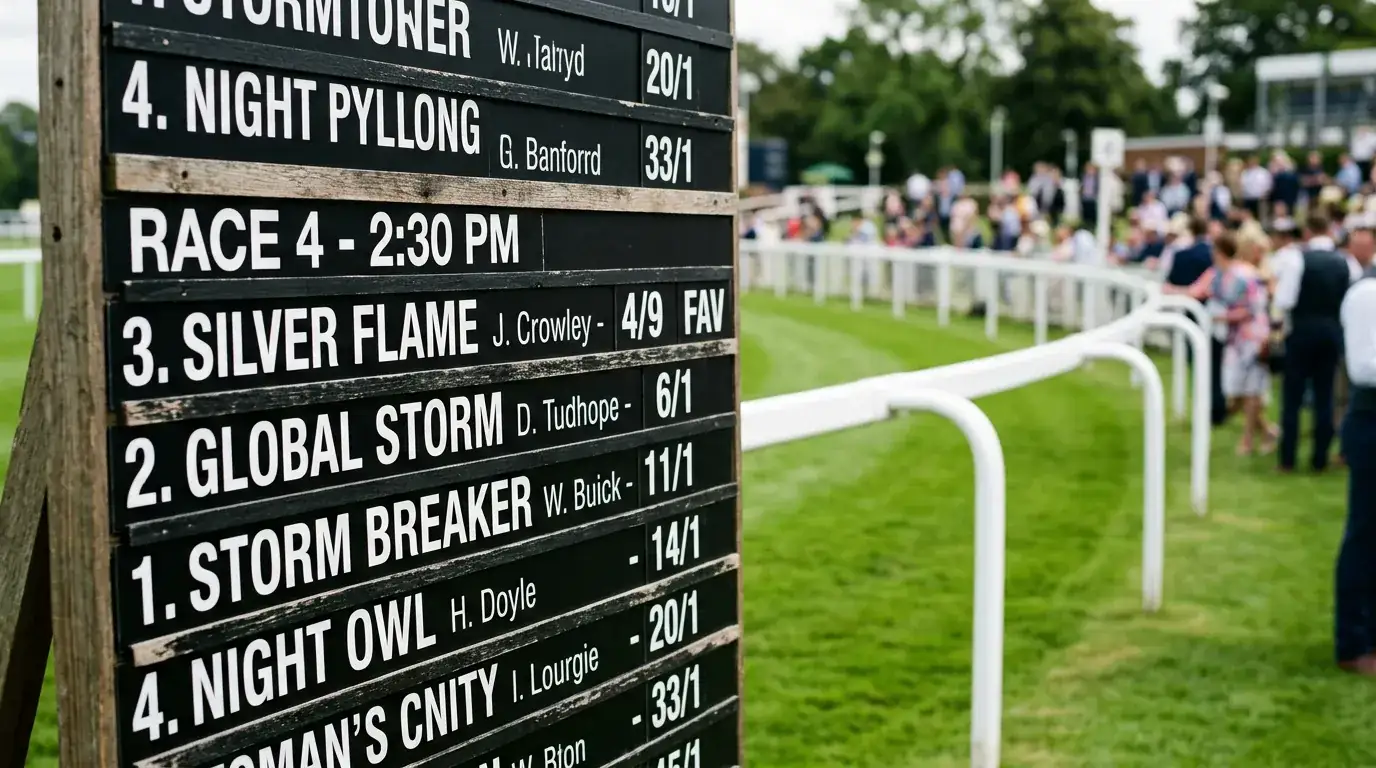
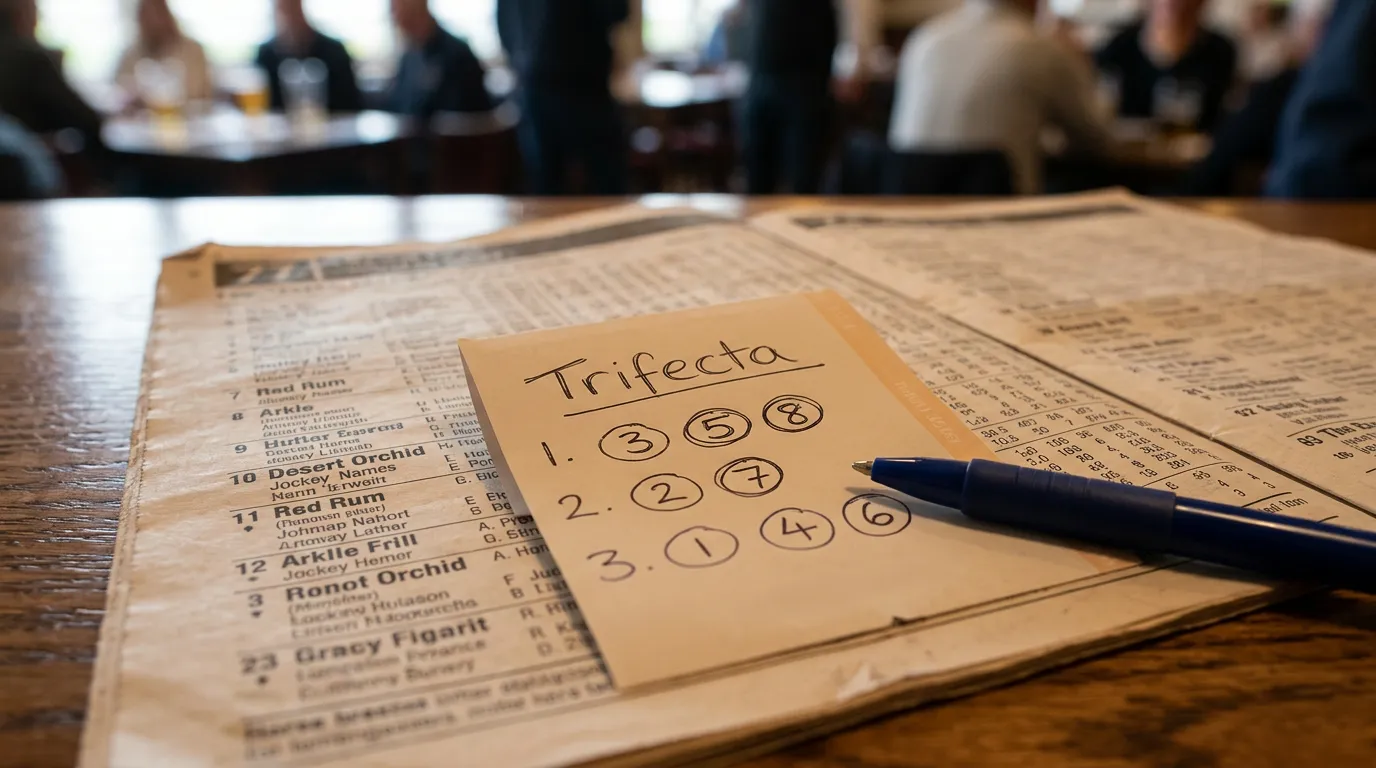
The 4/9 shot looked unbeatable on paper. Class superior, form impeccable, jockey booking screaming confidence. I keyed it in my trifecta wheel without hesitation. It won by six lengths. The dividend paid £14.60. My 12-combination wheel at £1 each returned less than my outlay. Winning and losing money simultaneously taught me something crucial about odds-on favourites in exotic betting: they require different thinking than their price alone suggests.
Odds-on favourites represent a distinct category in betting mathematics. The market assigns them better than 50% win probability. They win more often than any other horse in their races. Yet keying them in wheel bets frequently destroys value even when they oblige. Understanding when short-priced horses help your exotics and when they hurt requires examining the numbers behind the prices.
Table of Contents
Win Rate Data
Odds-on favourites on flat turf win approximately 59% of their races. This figure substantially exceeds the 30% to 35% win rate for favourites generally. The market prices odds-on shots accurately: they win more often than even money would suggest, justifying their short prices from a probability perspective.
The 59% win rate still means 41% failure. Nearly two in five odds-on favourites lose. For wheel bet key horses, that failure rate matters enormously. When your anchor fails, your entire structure collapses regardless of how well you selected the other positions. A 41% structural failure rate represents substantial risk that the short price obscures.
The number of odds-on favourites has increased dramatically over the decade. Annual counts rose 37% between 2012 and 2022, from 680 to 931 horses sent off at odds-on prices. This proliferation reflects smaller, less competitive fields where one horse towers over weak opposition. More odds-on favourites does not mean better exotic betting conditions. It often means the opposite.
Analysing why odds-on prices emerge helps distinguish between genuine superiority and circumstantial short pricing. A Group 1 winner dropping to Listed company justifies odds-on status through demonstrated class difference. A handicapper facing depleted opposition after non-runners might trade odds-on purely due to field composition. The former represents genuine probability advantage. The latter represents pricing artifact.
Value Destruction
Keying odds-on favourites in wheel bets creates an asymmetric value problem. When they win, dividends compress because the public heavily backed the winning combination. When they lose, your entire wheel fails. The upside disappoints while the downside destroys.
Consider the mathematics. An odds-on favourite at 4/6 implies roughly 60% win probability. A trifecta wheel keying that horse might cost £72 in a 10-runner field. If the favourite wins, perhaps 40% of the pool backed combinations involving that horse. Your winning ticket shares the pool with many others. The dividend rarely exceeds what a more speculative key horse would have produced.
When the odds-on shot fails, the 41% scenario, your £72 disappears entirely. No combination in your wheel can win because your key horse did not perform. The capital deployed achieves nothing. Alternative wheel structures keying longer-priced horses might have captured the actual winner.
The problem compounds across multiple races. If you key odds-on favourites in three races on a card, you need all three to win for trifecta success. The probability calculation multiplies: 0.59 x 0.59 x 0.59 equals roughly 20% success rate across the three key positions. Four in five such sessions produce zero returns despite selecting horses that individually win most of the time.
Exotic bet value comes from finding combinations the market undervalues. Odds-on favourites are precisely what the market most thoroughly values. By definition, substantial money has already identified these horses as likely winners. Little edge remains for you to exploit. The crowd’s assessment may be correct, but correctness without value produces losing exotic betting over time.
Opposition Scenarios
Sometimes opposing odds-on favourites creates better wheel structures than keying them. This contrarian approach accepts the horse might win while betting that it will not.
Opposition makes sense when the odds-on price reflects weak opposition rather than exceptional ability. Small fields where one horse stands out do not mean that horse has overwhelming class. They mean the alternatives lack appeal. These situations produce odds-on prices without the underlying probability that genuine class advantage generates.
Favourites across all UK racing win 30% to 35% of races. Even at odds-on, the failure rate exceeds 40%. Opposition strategies that exclude odds-on horses from key positions succeed more often than instinct suggests. The psychological difficulty of opposing a strong favourite feels greater than the mathematical reality warrants.
When opposing, include the odds-on horse in secondary positions. A trifecta wheel that keys a longer-priced selection to win while including the favourite for second and third captures the common outcome where the favourite runs well but does not win. This structure costs less than keying the short-price horse while maintaining coverage if it places without winning.
The key horse selection guide provides criteria for identifying strong wheel anchors regardless of price. Those criteria matter more than market position. An odds-on favourite meeting all criteria might justify keying despite compressed dividends. One that merely benefits from weak opposition deserves caution regardless of price.
Track your results with odds-on key horses separately from other wheel bets. After fifty or a hundred bets, calculate whether these structures produce positive returns or value destruction. Most bettors discover that odds-on keys underperform despite higher win rates, confirming the mathematical concerns this analysis raises. Personal data provides the final word on whether your approach to short-priced horses requires adjustment.
The growing prevalence of odds-on favourites changes the exotic betting landscape. More races feature prohibitive favourites that complicate wheel construction. Adapt by developing comfort with opposition strategies and by concentrating activity on races where competitive balance creates genuine exotic opportunity. Not every race deserves exotic attention. Races dominated by overwhelming favourites may warrant skipping entirely.
Price alone does not determine key horse suitability. Win rate alone does not determine exotic profitability. The combination of probability and dividend potential determines value. Odds-on favourites typically fail this combined test even when they succeed individually. Understanding this apparent paradox improves exotic betting results regardless of whether you ultimately choose to key, oppose, or avoid races featuring odds-on market leaders.
What percentage of odds-on favourites win?
Odds-on favourites on UK flat turf win approximately 59% of their races. This exceeds the general favourite win rate of 30-35% but still represents a 41% failure rate. That failure rate matters significantly for exotic betting because key horse failure destroys entire wheel structures regardless of how other selections perform.
At what price point does keying the favourite destroy value?
Value destruction typically occurs below even money. At odds-on prices, the market has already identified the horse so thoroughly that dividends compress when it wins while structural failure still occurs 40% of the time. The asymmetry between disappointing wins and catastrophic losses makes odds-on keys problematic for exotic betting profitability.
Prepared by the Horse Racing Wheel bet editorial staff.