Tote Exacta vs CSF: Which Forecast Bet Offers Better Value
 Available in US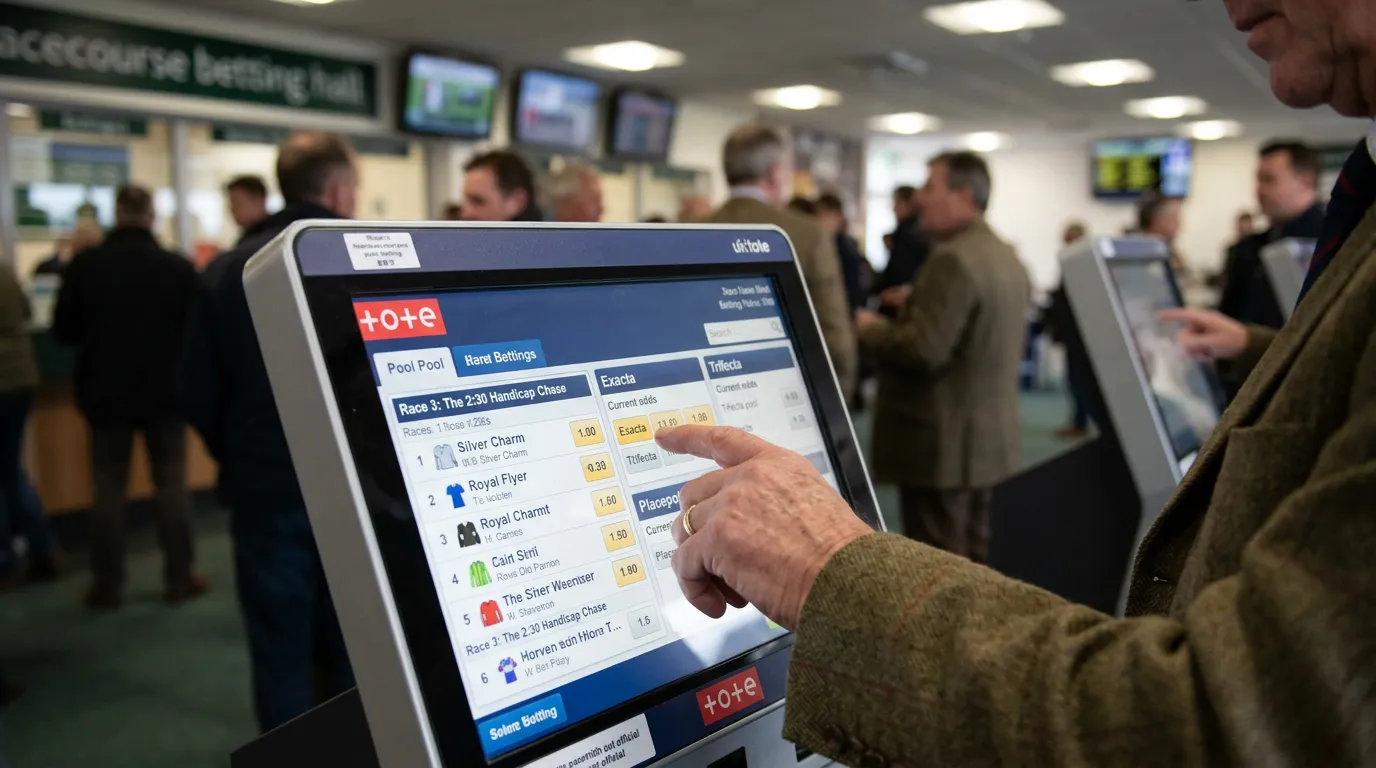
I spent three years tracking every forecast bet I placed, splitting activity between Tote Exacta and bookmaker CSF. The spreadsheet eventually covered over 400 bets across both formats. The conclusion surprised me: one method consistently outperformed the other, and not by a small margin. Understanding why requires examining how each product works and where value actually resides.
The choice between Tote Exacta and Computer Straight Forecast shapes your forecast betting returns more than most punters realise. Both products let you back two horses to finish first and second in correct order. Both charge you roughly the same amount upfront. But the payout mechanisms differ fundamentally, and those differences create persistent value gaps that informed bettors can exploit.
Table of Contents
Mechanism Differences
The Tote Exacta operates as a pool bet. Every pound wagered on exacta combinations enters a common pool. The Tote deducts its commission, currently 25% for exactas, and distributes the remainder among winning tickets. Your payout depends on how much total money went into the pool and how much of it backed the winning combination. Unpopular outcomes pay more because fewer people predicted them. Popular outcomes pay less because the money spreads further.
This pool mechanism means Tote Exacta payouts are unknowable until betting closes. You might get £50 or £150 from the same selection depending on where public money lands. That uncertainty works both ways. Sometimes you receive substantially more than expected. Sometimes a late surge of money on the winning combination dilutes your return. The experience differs markedly from fixed-odds betting where you know your potential payout at the moment you place the bet.
The Computer Straight Forecast operates differently. Bookmakers calculate CSF payouts using a formula based on starting prices. The computer applies a mathematical model that estimates what a fair exacta return should be given the odds of each horse. This calculation happens after the race, using final SP rather than prices at the time of your bet. You know the mechanism in advance but not the exact figure until the race concludes.
The CSF formula tends to produce consistent, predictable returns. Favourite-based forecasts pay modestly because short-priced horses generate lower multipliers in the calculation. Longshot combinations pay better because the SP arithmetic produces larger figures. What CSF cannot do is respond to actual pool dynamics. It ignores whether ten people or ten thousand backed a particular combination. The formula runs identically regardless of public sentiment.
Value Comparison Data
Analysis across thousands of UK races reveals a clear pattern. Tote+ Exacta, which guarantees at least the CSF return while offering pool upside, beats the CSF in 77% of races. On average, the Tote+ product delivers 21% more value than the equivalent CSF payout. Those numbers come from comprehensive industry tracking that compares actual returns across all forecast bets.
The 77% figure matters enormously for systematic bettors. Nearly four times in five, you would have done better with Tote than with a bookmaker forecast. The 21% average improvement compounds across a season of betting. On a hundred forecast bets averaging £20 stakes, that improvement could represent several hundred pounds in additional returns.
The value gap emerges from two sources. First, the pool mechanism occasionally produces outlier payouts when public money heavily backs losing combinations. A relatively ignored outcome can pay double or triple the CSF equivalent simply because the pool skewed elsewhere. Second, the Tote+ guarantee eliminates downside risk. You never receive less than CSF, so the comparison is between guaranteed parity and frequent improvement.
My own tracking largely confirmed these industry figures. Tote outperformed CSF in roughly three quarters of my bets, with occasional spectacular gaps when public money concentrated on failing favourites. The worst Tote could do was match CSF. The best produced payouts 50% or more above the fixed-odds equivalent. That asymmetric profile makes the Tote the clear choice for anyone approaching forecast betting seriously.
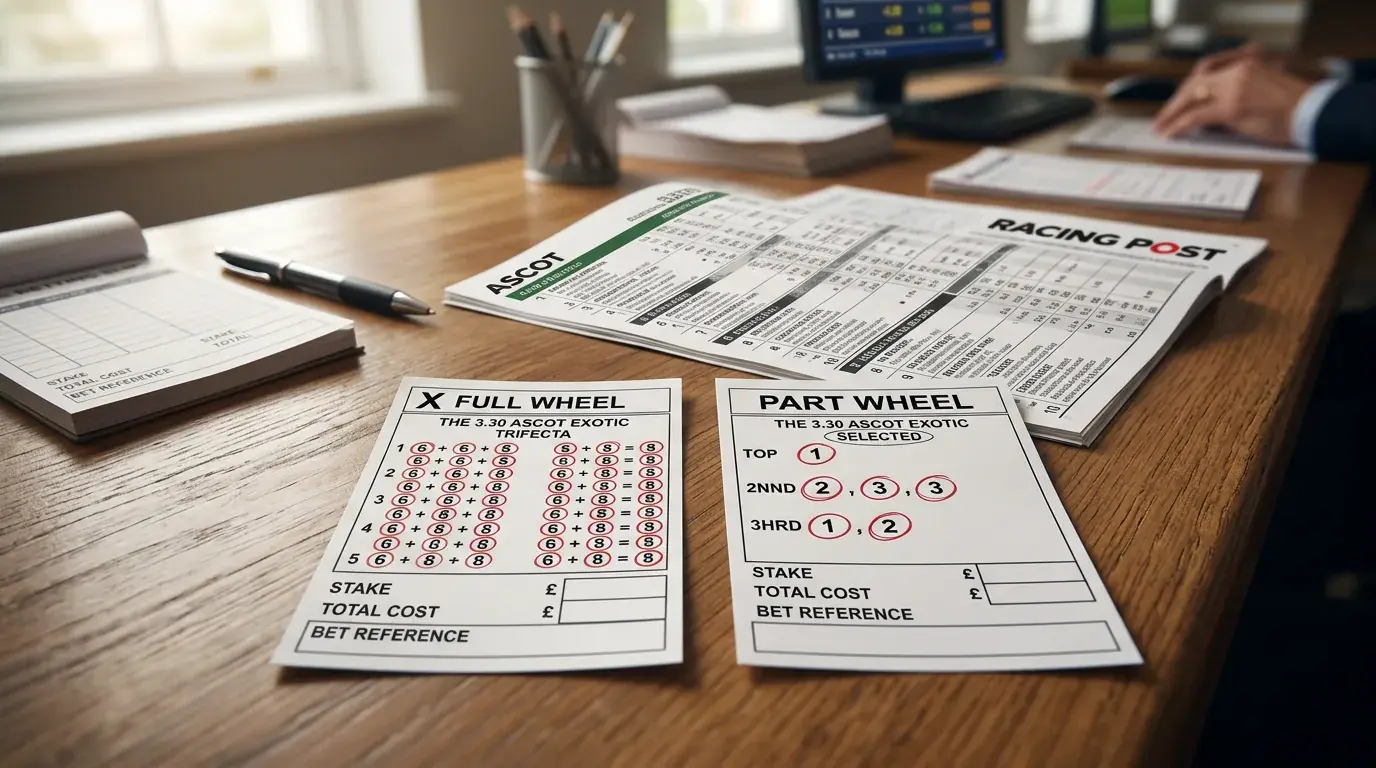
Wheel bets amplify these differences. When you are covering multiple exacta combinations through a wheel structure, each individual combination might outperform its CSF equivalent. A nine-combination exacta wheel where seven combinations beat CSF and two match it produces meaningfully higher total value than the same wheel placed through bookmakers. The advantage compounds with coverage.
When CSF Wins
The 23% of races where CSF matches or exceeds Tote share common characteristics. Understanding these patterns helps identify the minority of situations where bookmaker forecasts might deserve consideration.
Highly popular winning combinations occasionally drain Tote pool value. When a hot favourite wins and a well-backed second favourite finishes behind, substantial pool money sits on the winning combination. The Tote payout might match CSF exactly rather than exceeding it. In these cases, the guarantee kicks in but provides no bonus. You get the same return you would have received through the bookmaker anyway.
Small pools create additional CSF opportunities. Some meetings attract minimal Tote activity, particularly evening racing and lower-tier fixtures. The pool might contain only a few thousand pounds. Individual large bets can distort the dividend structure in ways that occasionally favour CSF. This happens rarely enough that avoiding Tote on quiet meetings probably represents false economy, but it explains some of the variance.
The practical conclusion remains straightforward. Unless you have specific intelligence about pool composition on a particular race, defaulting to Tote Exacta delivers better long-term results than CSF. The complete Tote betting guide covers pool dynamics in more detail for those wanting to understand when exceptional value might emerge.
The 25% takeout on Tote Exacta pools sounds high in isolation. But the comparison that matters is not against a theoretical zero-commission product. It is against the actual alternatives available to UK bettors. CSF incorporates bookmaker margin into its formula. The effective cost difference between the two products is smaller than the raw numbers suggest, and the Tote’s performance advantage more than compensates in the majority of races.
For exotic bettors building wheel structures around forecast bets, the Tote represents the default choice. The data supports it. The guarantee protects against downside. The pool mechanism creates regular upside that formula-based alternatives cannot match. Only in specific circumstances where you have reason to expect pool distortion should CSF receive consideration.
Start tracking your own results if you have not already. The 77% advantage rate and 21% value improvement are averages. Your personal betting patterns might produce different figures. But absent strong evidence to the contrary, Tote Exacta earns its position as the superior forecast betting vehicle in UK racing.
What does Tote+ guarantee on exacta bets?
Tote+ guarantees that your exacta payout will be at least equal to the Computer Straight Forecast dividend. If the pool calculation produces a higher figure, you receive the pool payout. If the pool would pay less than CSF, you receive CSF instead. This eliminates downside risk while preserving access to potentially higher pool returns.
Why does pool betting sometimes pay more than fixed odds?
Pool payouts respond to betting patterns. When public money concentrates on losing combinations, the pool distributes more generously to those holding winning tickets. Fixed odds formulas ignore this dynamic. An exacta that attracts limited pool support might pay substantially more through Tote than the formula-driven CSF equivalent.
Prepared by the Horse Racing Wheel bet editorial staff.