Going Conditions and Exotic Betting: Adjusting Selections for Track State
 Available in US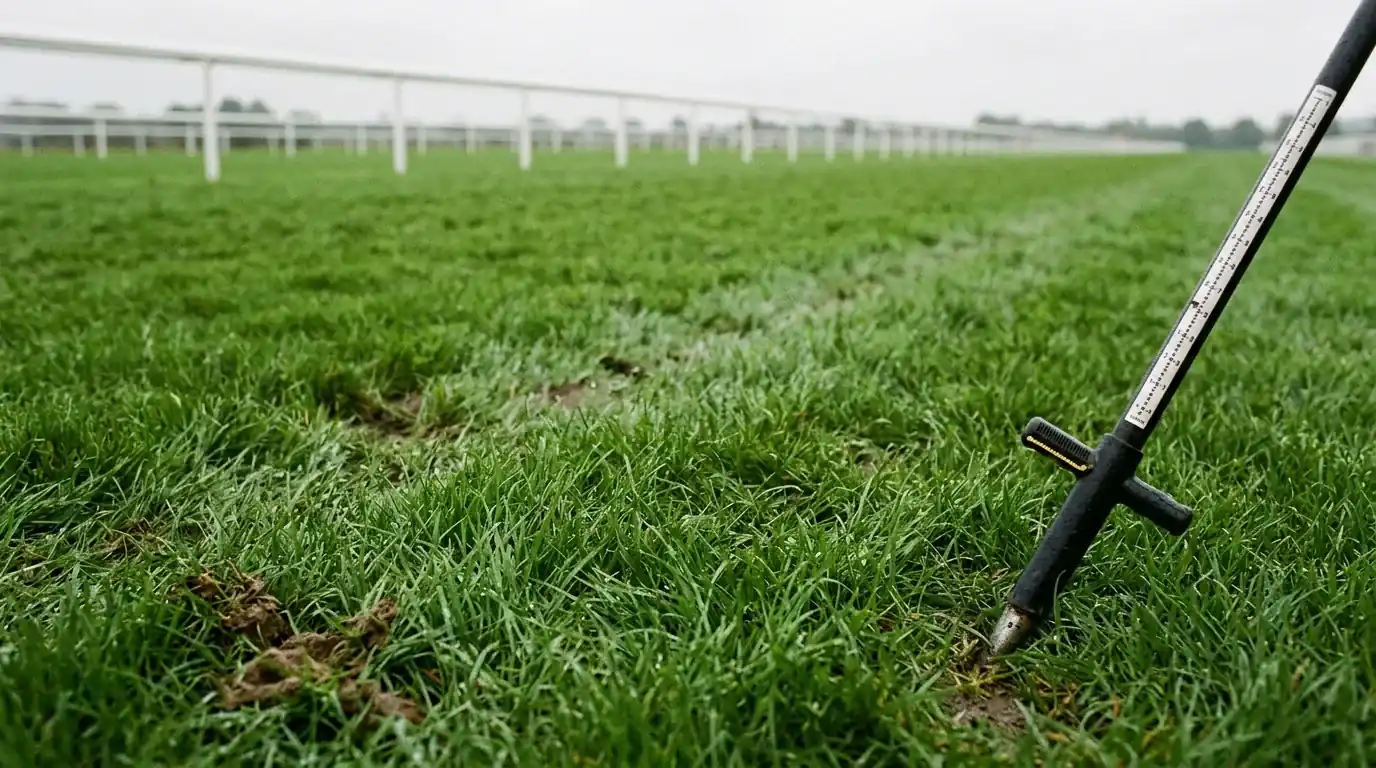
The going changed overnight. What had been good to firm when I completed my analysis became good after unexpected rain. Three horses in my trifecta wheel suddenly faced conditions that history suggested they hated. The selection work that seemed solid twelve hours earlier now needed complete reassessment. Going represents the variable that most frequently invalidates pre-race analysis, making it essential rather than optional in exotic betting preparation.
British racing operates across an extraordinary range of ground conditions. The official going descriptions from firm through heavy describe surfaces that demand entirely different physical attributes from competing horses. A horse that excels on fast ground may struggle in testing conditions and vice versa. For exotic bettors selecting multiple horses across positions, going preference represents a filter that eliminates unsuitable candidates before deeper analysis begins.
Table of Contents
The Going Scale
UK racing uses a standardised going description scale that runs from firm at the fast end through good to firm, good, good to soft, soft, soft to heavy, and heavy at the testing end. All-weather surfaces use different terminology including standard, standard to slow, and slow. Understanding this scale and what each description means physically helps interpret going reports accurately.
Firm ground offers fast, bounce-out-of-the-turf conditions where speed horses thrive. Horses with quick, economical actions handle these surfaces well. Firm going typically occurs during dry summer periods when turf loses moisture. Horses with suspect joints often struggle on firm ground due to increased concussion. Trainers may withdraw horses unsuited to firm conditions rather than risk injury or poor performance.
Good ground represents the middle of the scale, offering conditions that most horses handle adequately. The surface provides some cushion without becoming testing. Good going suits the widest range of horses, making races run on good ground often the most competitive as fewer runners face surface-related disadvantages.
Soft and heavy conditions demand stamina and the ability to handle holding ground that saps energy. Horses bred for such conditions often have pronounced knee action that lifts them clear of the surface rather than skimming across it. Testing ground favours horses that have demonstrated ability when surfaces deteriorate. Previous winners on soft or heavy ground provide evidence that candidates can handle similar challenges again.
Going can vary across a racecourse. Different sections may ride differently based on drainage, recent racing, and local geography. Rail position reports indicate whether particular positions offer better ground. This within-course variation means going affects not just selection but potentially draw analysis on flat races where starting position determines which ground horses encounter.
Preference Patterns
Identifying horse preferences for particular going conditions forms a core competency for UK racing analysis. Several approaches help determine whether candidates suit prevailing conditions.
Race record filtering provides the most direct evidence. Horses that have won or placed on going similar to today’s conditions have demonstrated capability. Those whose best performances came on contrasting ground face uncertainty about whether they can replicate that form. The form book explicitly records going for each run, enabling straightforward filtering.
Breeding offers circumstantial evidence of going preference. Certain sires consistently produce offspring that excel in particular conditions. Stallions known for transmitting stamina often produce stock suited to testing ground. Speed-oriented sires tend to produce progeny that prefer faster surfaces. Breeding patterns suggest likely preferences even for horses without extensive form on specific going.
Physical characteristics provide visual clues. Horses with short, choppy actions often struggle in heavy ground. Those with exaggerated knee action tend to handle testing conditions better. Observing horses in the paddock before races can reveal action characteristics that predict surface suitability, though this skill requires experience to develop reliably.
Favourites across UK racing win approximately 30% to 35% of races, but this rate varies by going. Favourites may outperform on extreme going where unsuited horses fade, or underperform when conditions suit several runners equally. Understanding how going affects favourite reliability helps calibrate key horse selection for exotic structures.
Adjustment Strategies
Going changes require systematic response in exotic betting preparation. Developing adjustment protocols prevents going shifts from catching you unprepared.
Monitor going reports up to race time. Conditions can change from morning inspection to afternoon racing, especially during unsettled weather. The official going reported at declaration stage may differ from going at post time. Late monitoring catches changes that invalidate earlier analysis.
Identify which horses in your consideration set have going concerns. If anticipated good ground becomes good to soft, which candidates have poor records on easier surfaces? Which have proven they can handle the shift? This filtering may remove horses from wheel consideration or add others who benefit from the change.
Consider going as a selection factor rather than a filter alone. Horses with demonstrated ability on prevailing going deserve preference over those with superior form on different surfaces. The horse with four wins on soft ground may be more likely to win on today’s soft than the horse with ten wins on good ground trying soft for the first time.
The key horse selection guide incorporates going preference among the factors that determine wheel anchors. Going suitability represents a necessary condition rather than sufficient condition for key horse selection. Your anchor must handle the surface but also meet other criteria that predict success.
Build going awareness into your standard preparation routine. Check conditions early in your analysis process so going filters apply before deep form study on unsuitable horses. Revisit conditions before finalising selections to catch late changes. This discipline prevents wasted effort on horses that going renders irrelevant while ensuring conditions-suited candidates receive appropriate attention.
Accept that going introduces irreducible uncertainty. Weather changes unexpectedly. Official reports sometimes describe conditions differently than horses experience them. Horses occasionally defy their apparent preferences. Going analysis improves selection accuracy but cannot eliminate the uncertainty that makes racing betting challenging and potentially rewarding.
Seasonal going patterns help anticipate conditions before official reports confirm them. Summer generally brings faster ground on turf. Winter means softer conditions in most years. These expectations allow provisional analysis that going reports then confirm or contradict. Starting with seasonal assumptions speeds preparation when conditions meet expectations while alerting you to pay extra attention when conditions diverge from seasonal norms.
All-weather surfaces offer going consistency that turf lacks. Standard all-weather going rarely changes dramatically, reducing the going variable that complicates turf racing analysis. If going uncertainty frustrates your exotic betting, concentrating on all-weather fixtures removes one source of that frustration. The trade-off involves smaller fields and potentially less exotic value than quality turf racing provides.
How does going affect favourite win rates?
Going affects favourite reliability in ways that vary by race type and condition extremity. Favourites may outperform on testing ground when unsuited rivals fade, or underperform when good conditions suit multiple horses equally. The general 30-35% favourite win rate represents an average across all conditions that masks significant variation based on ground.
Should I change my wheel bet based on going?
Yes, going changes should prompt wheel reassessment. Identify which horses in your consideration set have going concerns and whether the change helps or hurts each candidate. Late going shifts may require removing horses that suited earlier conditions or adding candidates that benefit from the change. Monitor conditions up to race time and adjust accordingly.
Written by the editors at Horse Racing Wheel bet.